
Does the change in seasons leave you feeling drained, low on energy, and not quite yourself? You’re not alone. Many professional women notice a real shift in their well-being as the days get shorter.
This experience is more common than you might think. In fact, it affects millions of individuals across the country. It’s a recognized health condition that can significantly impact your daily life.
Hi, I’m Jennifer Dettloff-Carter from Healing You Hypnotherapy in San Diego. I specialize in helping women navigate these challenges. My goal is to offer gentle, effective approaches that bring real relief.
This guide will help you understand this disorder, recognize its signs, and explore various supportive options. There is a path to feeling lighter, more energized, and hopeful again.
You can start feeling better now. I invite you to book a complimentary Feel-Better-Fast Strategy Session. We’ll talk about your goals and you can experience a gentle taste of how hypnotherapy can help. Reach out at Jennifer@HealingYouHypnotherapy.com or (858) 289-6015.
Key Takeaways
- Feeling down during certain times of the year is a common experience for many people.
- This is a recognized health condition, not just a simple case of “the blues.”
- Understanding the signs is the first step toward finding effective support.
- A variety of approaches are available to help you manage your symptoms.
- Professional guidance can provide a compassionate and personalized path to relief.
- It is absolutely possible to regain your energy and feel like yourself again.
- Taking a small step, like a strategy session, can start your journey toward wellness.
Understanding Seasonal Depression and SAD
As autumn gives way to winter, many women experience noticeable changes in their daily functioning and emotional state. This isn’t just about feeling a little down—it’s a recognized health condition with specific patterns.
Defining Seasonal Affective Disorder and Its Impact
Seasonal affective disorder is a specific type of major depressive disorder that follows a predictable cycle. It’s officially recognized in medical guidelines and requires symptoms to occur in a seasonal pattern for at least two consecutive years.
What makes this affective disorder different is its timing. Symptoms emerge during specific months and lift when seasons change. This creates a recognizable cycle that many people experience year after year.
The Seasonal Shift: Why It Matters
Reduced daylight exposure during winter months disrupts our internal body clock. This affects brain chemicals that regulate mood, sleep, and energy levels.
Women living in northern areas with shorter winter days often experience higher rates of this disorder. The changes in sunlight exposure can significantly impact daily life, from work productivity to personal relationships.
Recognizing this pattern is empowering. It means you can prepare and implement strategies before symptoms become severe.
Seasonal Depression Therapy Solutions
As winter approaches, the reduction in natural sunlight can trigger emotional and physical responses that require thoughtful management. Fortunately, multiple evidence-based approaches exist to help you navigate this challenging period.
Different methods work for different people. A combination often yields the best results. Here’s an overview of primary options available today:
| Treatment Type | Primary Focus | Key Benefit | Best For |
|---|---|---|---|
| Light Therapy | Mimicking natural sunlight | Regulates circadian rhythms | Morning energy boost |
| Psychotherapy | Changing thought patterns | Builds coping skills | Long-term strategy development |
| Medication | Brain chemistry balance | Addresses severe symptoms | When other methods need support |
| Hypnotherapy | Subconscious patterns | Reduces stress responses | Complementary approach |
Many find that integrating several methods creates a powerful holistic strategy. Light exposure in the morning combined with talk therapy can be particularly effective.
Hypnotherapy serves as a valuable complementary approach. It addresses underlying emotional patterns that contribute to seasonal affective challenges.
Working with qualified health providers helps create a personalized plan. What works beautifully for one person may need adjustment for another. The journey to wellness is unique to each individual.
Symptoms and Diagnosis: What to Look For
Many successful women find themselves struggling with unexpected changes in their energy and motivation as daylight hours decrease. Recognizing these patterns early can help you take proactive steps toward feeling better.
Recognizing Physical and Emotional Symptoms
Early warning signs often include difficulty waking up despite adequate rest. You might hit snooze repeatedly or crave carbohydrates more than usual.
Emotional symptoms can manifest as persistent low mood or losing interest in work that once excited you. Many women report feeling disconnected during meetings or social gatherings.
Physical changes like increased appetite, weight gain, and excessive sleep often accompany these emotional shifts. Your usual energy levels may plummet, making routine tasks feel overwhelming.
Diagnostic Processes and Evaluations
A proper diagnosis involves a comprehensive evaluation by a qualified health provider. They’ll rule out other medical conditions that can mimic this disorder.
The assessment typically includes physical exams and lab tests. Your provider will discuss your symptoms, their timing, and how they affect your daily life.
Documenting your experiences before appointments can be incredibly helpful. Note when symptoms began and what makes them better or worse. This self-awareness is a strength, not a weakness.
Treatment Options: Light Therapy, Psychotherapy, and Medications
When daylight diminishes, many women seek effective approaches to maintain their well-being during challenging months. Several mainstream treatment options work well alongside complementary approaches like hypnotherapy.
Benefits and Guidelines for Light Therapy
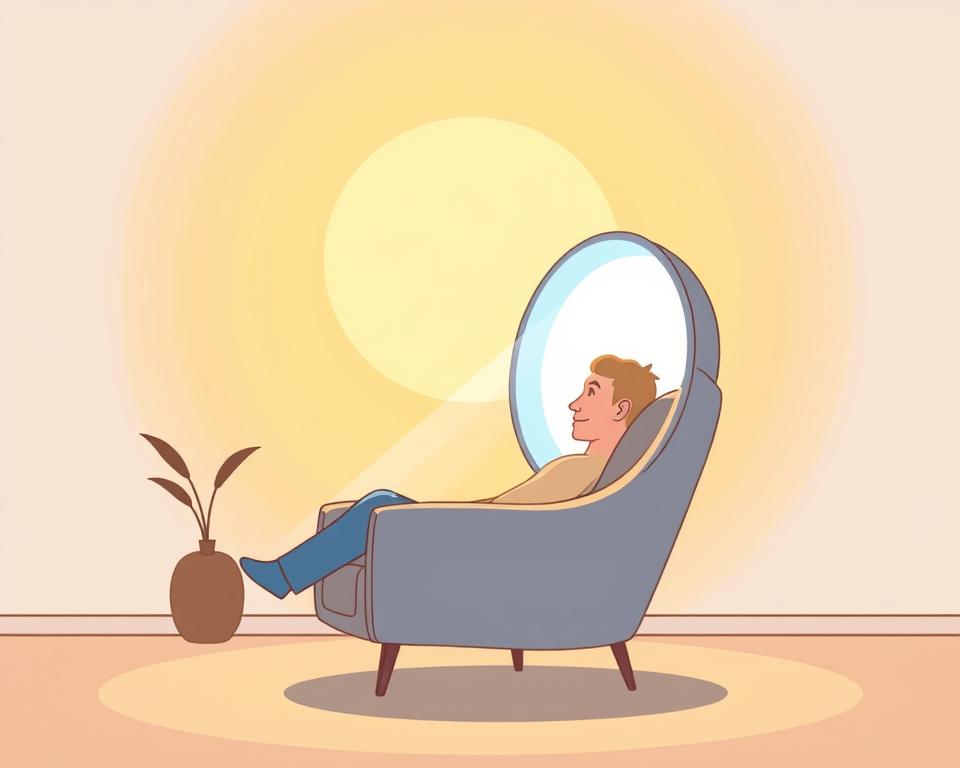
Light therapy involves using a special box that emits bright white light similar to natural outdoor conditions. You sit about arm’s length away for 20-30 minutes each morning while having breakfast or preparing for your day.
This approach works relatively quickly—often within days to a few weeks. It has minimal side effects and fits easily into busy schedules. Consistency is key: use it daily throughout vulnerable months for best results.
When choosing a device, look for one emitting 10,000 lux that filters UV rays. Always consult your health provider before purchasing to ensure you select a quality product.
How Psychotherapy and Cognitive Behavioral Strategies Help
Cognitive behavioral therapy helps identify and change negative thought patterns that worsen seasonal challenges. You learn to challenge thoughts like “I’ll never feel good again” with more balanced perspectives.
Practical strategies include scheduling enjoyable activities even when motivation is low. Breaking tasks into smaller steps and reducing isolation behaviors can make winter months more manageable.
For some women, medication like specific antidepressants may be recommended. These are often started preventively before symptoms typically appear. It may take several weeks to notice full benefits from this treatment approach.
Working closely with your provider ensures proper care and monitoring. Many find combining light therapy with talk-based approaches creates a powerful support system for emotional well-being.
Integrating Natural Self-Care and Lifestyle Adjustments
Professional women often discover that simple daily habits can significantly impact their winter wellness journey. These practical adjustments work together to support your overall health and emotional balance.
Maximize your exposure to natural sunlight throughout the day. Open curtains immediately upon waking and position your workspace near windows. Even on cloudy days, outdoor light provides benefits that indoor environments cannot match.
Establish consistent sleep patterns by setting a regular wake time, even on weekends. Resist the urge to oversleep, which can worsen symptoms of this disorder. Quality rest supports your energy levels and mood.
Regular physical activity serves as natural medicine for your mind. A 20-minute walk during lunch or morning yoga can relieve stress and boost energy. These activities fit easily into busy schedules.
Nutrition plays a vital role in managing your weight and supporting mental health. Focus on balanced meals with vegetables, fruits, and whole grains. Stay hydrated and be mindful of carbohydrate cravings.
Discuss vitamin D levels with your healthcare provider, as supplementation may help during darker months. Simple environmental changes like bright lighting and light-colored decor can transform your living spaces.
These lifestyle adjustments create a foundation that makes other approaches more effective. Small, consistent changes often yield better results than dramatic overhauls. You can build a sustainable self-care routine that supports your daily life.
The Role of Hypnotherapy in Easing Seasonal Depression
As a hypnotherapist working with professional women in San Diego, I’ve witnessed how seasonal changes can create deep emotional patterns that respond beautifully to mind-body approaches. While light therapy and medication address surface-level symptoms, hypnotherapy reaches the subconscious roots of your experience.
How My Approach at Healing You Hypnotherapy Supports Wellness
I’ve helped many women who feel they’re dragging through their days despite trying everything. Hypnotherapy accesses where automatic emotional responses live. This creates powerful shifts in stuck patterns.
During sessions, you experience deep relaxation—not sleep—where your mind becomes receptive to positive suggestions. We work collaboratively at your pace. You remain completely aware and in control throughout.
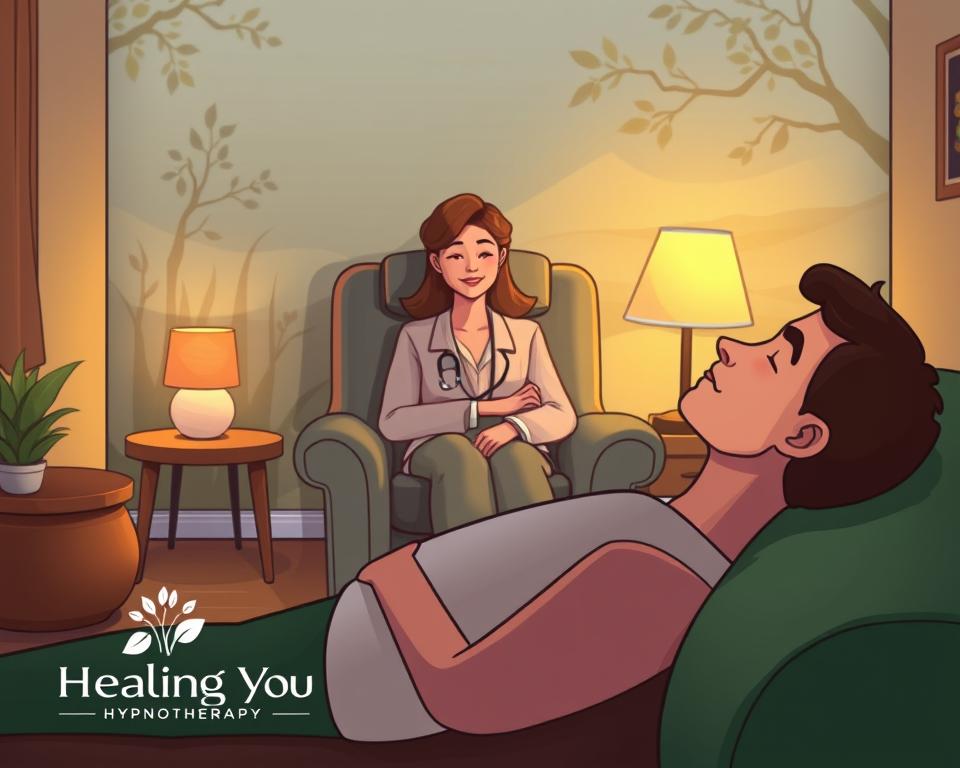
This approach specifically helps with seasonal affective disorder by reducing accompanying anxiety and reframing negative thoughts subconsciously. It improves sleep quality and builds emotional resilience against seasonal triggers.
Hypnotherapy integrates beautifully with other treatments. Many clients continue their light therapy or medications while adding this complementary approach. It addresses the emotional components other methods might miss.
Book a Free Feel-Better-Fast Strategy Session
I offer a complimentary strategy session where we explore your goals and you experience a gentle taste of hypnotherapy. Many women leave feeling lighter and calmer.
Got questions? Email me at Jennifer@HealingYouHypnotherapy.com or call (858) 289-6015. Schedule your free Feel-Better-Fast Strategy Session to start feeling better right away: CLICK HERE to schedule.
Daily Strategies to Combat Winter Blues and Enhance Mood
Simple daily habits can transform how you experience the colder months. These practical steps fit seamlessly into busy schedules while making a real difference in your energy and outlook.
Simple Habits for Better Sleep and Increased Energy
Start your day with consistency. Set your alarm for the same time daily, even on weekends. Get up immediately rather than hitting snooze.
Expose yourself to bright light within the first hour of waking. This regulates your body’s natural rhythms. Gentle movement like stretching or a short walk boosts morning energy.
During the workday, take real breaks. Step outside for lunch when possible. Connect with colleagues for genuine conversation rather than eating alone.
Evening routines support better sleep. Create a wind-down ritual with reading or gentle music. Limit screens before bed to improve sleep quality.
Social connection serves as powerful medicine for the winter blues. Maintain plans with friends even when motivation is low. You’ll often feel better once you’re there.
Track your mood and energy patterns to identify what works best. This awareness helps you reach out for support before challenges become severe. For additional guidance with anxiety that often accompanies these blues, explore effective approaches nearby.
Preparing for Your Appointment and Effective Communication
Taking that first step to see a healthcare provider is a powerful move toward feeling better. Good preparation makes your visit more effective. It helps you communicate clearly, even if you’re feeling low.
Schedule enough time for a full discussion. Bring a friend or family member for support if you like. They can take notes and help you remember details.
What to Document Before Your Visit
Write down your symptoms and their severity. Note when they started and how they affect your daily life. Track any patterns over weeks or months.
Create a complete list of your health information. Include all medication and supplements. Note other conditions, recent stressors, and family history.
Questions to Ask Your Healthcare Provider
Come prepared with questions to understand your diagnosis and treatment plan. This helps you get the best possible care.
| Topic | Key Questions to Consider |
|---|---|
| Understanding Your Diagnosis | Could my symptoms be caused by something else? What tests might be helpful? |
| Exploring Treatment Options | What are the best first steps? How long until I see improvement? What are the side effects? |
| Managing Your Care | When should I start treatment? What should I do if my symptoms get worse? |
Be open and honest with your provider about everything. This allows them to create a care plan that is safe and right for you.
Building a Support System and Enhancing Mental Resilience
Building strong connections with others can be your most powerful resource during challenging times. A solid support system provides emotional safety and practical help when you need it most.
Tips for Social Connection and Self-Care
Identify trusted friends and colleagues who understand your journey. Share your experiences with select people to reduce isolation. This creates a safety net for difficult periods.
Schedule regular social activities that are hard to cancel. Accept invitations even when motivation is low. You can always leave early if needed.
Maintain relationships with your healthcare providers throughout the year. Consistent care helps monitor patterns and provides early intervention.
Develop mental resilience by practicing self-compassion. View challenges as temporary situations you can manage. This mindset reduces anxiety and builds confidence.
Create accountability partnerships with friends facing similar issues. Share strategies and encourage each other to maintain healthy habits.
Set clear boundaries to protect your mental health. Learn to say no to draining commitments during vulnerable times.
View mental health maintenance as preventive care. Schedule regular check-ins even when feeling well. This proactive approach supports long-term wellness.
Conclusion
The journey through seasonal emotional patterns doesn’t have to be one you face alone or without support. You’ve learned about various effective approaches that can help you feel better.
Combining different methods often brings the best results. Light exposure, lifestyle adjustments, and professional support work together beautifully. Finding your ideal combination takes patience but leads to lasting wellness.
As Jennifer from Healing You Hypnotherapy, I’ve seen many women transform their experience. They move from dreading certain months to confidently managing them. You deserve to feel like yourself year-round.
Ready to feel better fast? Email Jennifer@HealingYouHypnotherapy.com or call (858) 289-6015. Schedule your free Feel-Better-Fast Strategy Session to begin your journey toward brighter days. For additional support, explore mental health services in San Diego.
Take that first step today. Brighter days await.
FAQ
What is the difference between the "winter blues" and seasonal affective disorder (SAD)?
The “winter blues” are common mood changes many people feel during colder, darker months. SAD is a type of major depressive disorder with a seasonal pattern. The key difference is severity. SAD symptoms, like low energy, weight gain, and sleep problems, are more intense and last for weeks, significantly impacting daily life.
How does light therapy work, and is it safe?
Light therapy uses a special lamp that mimics natural sunlight. This light helps regulate your body’s internal clock and boost mood-lifting brain chemicals. It’s generally safe when you follow guidelines, like using a 10,000-lux light box for about 20-30 minutes each morning. Always talk to your healthcare provider before starting to ensure it’s right for you.
Can cognitive behavioral therapy (CBT) really help with a seasonal pattern?
Absolutely. CBT is a highly effective psychotherapy for SAD. It focuses on changing negative thought patterns and behaviors linked to the season. You learn practical skills to manage symptoms, increase enjoyable activities, and build mental resilience, providing long-term coping strategies.
Are there natural self-care tips I can try at home?
Yes! Simple lifestyle adjustments can make a big difference. Try to get outside for morning sunlight, maintain a regular sleep schedule, stay physically active, and eat a balanced diet. Some people also find vitamin D supplements helpful, but check with your doctor first.
When should I see a doctor or mental health professional about my symptoms?
It’s a good idea to seek care if your mood changes feel overwhelming, last for several weeks, or interfere with your work, relationships, or ability to enjoy life. A provider can give a proper diagnosis and discuss treatment options, from therapy to medication.
What can I expect during a hypnotherapy session for seasonal affective disorder?
At Healing You Hypnotherapy, sessions are a collaborative and relaxing experience. We use guided relaxation and positive suggestion to help your subconscious mind reframe negative associations with the season, reduce anxiety, and promote a more balanced emotional state, supporting your overall wellness journey.