
Have you ever wondered if you could truly quiet the constant mental chatter and find a calm center, even on your most demanding days?
If you’re like many of the busy, driven individuals I meet in my San Diego practice, you’ve probably seen hypnosis portrayed on screen as something mysterious or even manipulative. Let me assure you, that’s far from the truth.
In reality, this powerful practice is not about losing control. It’s about gaining greater power over your own thoughts and emotional responses. It’s a natural state of focused attention that people experience throughout the day.
My goal at Healing You Hypnotherapy is to show you how accessible and practical this tool can be for reducing stress and building confidence. You can create positive change without adding more complexity to your life.
I’m Jennifer Dettloff-Carter, and I’ll be your guide. Together, we’ll explore the science behind these methods and practical steps you can apply to real-world challenges. If you have questions, I’m here for you. Feel free to reach out at Jennifer@HealingYouHypnotherapy.com or call me at (858) 289-6015.
Key Takeaways
- Hypnosis is a natural, accessible state of mind, not a loss of control.
- Practical self-hypnosis empowers you to manage stress and emotions effectively.
- These methods are designed to fit seamlessly into a busy schedule.
- Professional guidance ensures you learn safe and effective practices.
- You can achieve significant positive changes in your life with the right tools.
Understanding Self-Hypnosis: My Personal Journey
What if I told you that you already enter hypnotic states multiple times throughout your normal routine? This realization was a turning point in my own journey with this practice.
What is Self-Hypnosis?
Many people think of hypnosis as something mysterious or complicated. In reality, it’s a natural state of focused attention that occurs when you’re deeply absorbed in an activity.
Think about driving a familiar route and arriving without remembering the journey. Or getting lost in a good book where time seems to fly by. These are everyday examples of trance states.
Dispelling Common Myths and Misconceptions
Media portrayals often get hypnosis wrong. You remain completely aware and in control during the entire process. There’s no manipulation or loss of personal power.
The truth is quite different from what you might have seen in movies or stage shows. This practice is about accessing your mind’s natural ability to create positive change.
| Common Myth | The Reality | Why It Matters |
|---|---|---|
| You lose control | You remain fully conscious and in charge | Empowers you to direct your own mental state |
| It requires special equipment | No pocket watches or spirals needed | Makes the practice accessible anywhere |
| Only works on weak-minded people | Actually requires focused concentration | Anyone can benefit with proper guidance |
Understanding these facts helps demystify the process. It becomes a practical tool rather than something to fear or misunderstand.
The Science Behind Self-Hypnosis
You might be curious about what’s actually happening in your mind when you achieve that deep sense of focus. The process is backed by fascinating science that shows measurable changes in your brain activity.
How the Brain Enters a Relaxed State
This isn’t about falling asleep. It’s a unique, awake state of highly focused attention. Research, like that discussed by the Cleveland Clinic, shows clear shifts in brain wave patterns and blood flow.
Your brain essentially quiets the analytical, critical part of the mind. This allows access to the subconscious, where lasting change is possible. It’s a natural relaxed state your mind already knows.
Benefits for Mental and Physical Health
The benefits of this practice are profound for your entire well-being. For mental health, it helps regulate emotions and reduce anxiety.
The physical effects are just as powerful. Your body responds by lowering stress hormones and blood pressure. This supports better sleep and overall health.
Current evidence strongly supports these therapeutic benefits, making it a valuable tool for managing daily stress and improving your quality of life.
Self-Hypnosis Techniques That Work
Imagine having a reliable tool to quiet your mind, accessible anytime you need a moment of calm. The powerful methods I teach are exactly that—a practical skill you can develop.
Like learning to play an instrument, this practice becomes more natural over time. You don’t need hours of free time. These core techniques are designed for your busy life.
I blend traditional hypnotherapy with modern neuroscience. This creates a powerful way to bridge your conscious goals with your subconscious mind.
Some people find solo practice challenging initially. Working with a guide, like myself through expert hypnotherapy in San Diego, can fast-track your success.
A Proven, Step-by-Step Method for Success
Let’s look at the two primary paths for learning this valuable skill. Both are effective, depending on your preferences.
| Learning Path | Key Features | Best For |
|---|---|---|
| Self-Directed Practice | Learn at your own pace, using guided audio or scripts. | Highly self-motivated individuals comfortable with independent learning. |
| Professional Guidance | Personalized sessions, immediate feedback, and tailored strategies. | Those seeking accelerated results and personalized support for specific goals. |
In the next section, we’ll dive into the first steps. You’ll learn how to create the ideal environment for your hypnosis session.
Step-by-Step Guide to Inducing a Trance
The journey to profound calm begins with creating the right environment for your practice. These simple steps will guide you into a deeply relaxed state.
With a little time and patience, you’ll master this valuable skill. Let’s walk through the essential steps together.
Creating a Calm, Distraction-Free Environment
First, find a quiet place where you won’t be disturbed. This could be a comfortable corner of your home or office.
Sit in a supportive chair with feet flat on the floor. This position helps maintain alertness while promoting deep relaxation.
Your chosen place should feel safe and comfortable. This sets the foundation for your practice.
Progressive Muscle Relaxation and Visualization Techniques
Begin by systematically releasing tension throughout your body. Start at your toes and work upward.
Tense each muscle group briefly, then release. This technique prepares your entire body for deep relaxation.
Focus your eyes on a point slightly above eye level. Allow your gaze to soften as you breathe deeply.
Notice how your eyes feel heavier with each exhale. This natural process helps transition your mind into a receptive state.
The 3-2-1 sensory awareness technique brings you fully present. Notice three things you see, hear, and feel, then two, then one.
Slow, deep breathing signals your system to release remaining tension. Your eyes will naturally want to close as you deepen the experience.
| Relaxation Method | Primary Focus | Best Time to Use |
|---|---|---|
| Progressive Muscle Relaxation | Physical tension release | When feeling physically stressed |
| Sensory Awareness (3-2-1) | Mental focus and presence | When mind feels scattered |
| Breathing with Eye Focus | Mind-body connection | For quick centering anytime |
Remember, there’s no perfect way to do this. Some days the relaxation comes easily, other times it takes more patience.
Preparing for a Deep Hypnotic State
The real magic happens when you move beyond surface relaxation into truly profound states of awareness. Before beginning, set a clear goal for what you want to achieve. This creates powerful direction for your session.
Ask yourself: What specific intention guides me today? Maybe you want to feel more confident before a big meeting. Or perhaps you seek calm during a stressful period. Knowing your purpose makes the experience focused and effective.
Techniques for Tightening Your Focus
Once relaxed, narrow your attention like a camera lens zooming in. Try counting breaths or visualizing a peaceful scene in vivid detail. These methods help quiet distracting thoughts.
The “heavy arms” technique works beautifully for deepening your state. Extend one arm and imagine it becoming progressively heavier. Allow it to slowly lower as you sink deeper into relaxation.
Room visualization is another powerful approach. Imagine a familiar peaceful place using all your senses. Then explore new spaces that represent your desired changes.
Remember, achieving a deep hypnotic state takes practice. Each session builds your ability to access profound levels of focus and receptivity. If you’d like personalized guidance for deepening your practice, I’m here to help during a Feel Better Fast Strategy Session.
Using Self-Hypnosis for Stress and Anxiety Relief
Between back-to-back meetings, tight deadlines, and the mental load of managing it all, finding a moment of calm can feel impossible. This constant pressure creates chronic stress that can even manifest as physical pain. The good news is you can reclaim control.

This powerful way to manage your well-being helps you interrupt the stress response in real-time. It creates a pocket of calm right in the middle of a demanding day.
Calming Your Mind in High-Demand Situations
You don’t need a silent room for an hour. Practical tips can be used anywhere. Take three deep breaths before a difficult conversation. Use a brief 3-2-1 grounding exercise right before a presentation.
This practice helps quiet racing thoughts and promotes deep relaxation. Even a short session at your desk can release tension.
Real-Life Tips Tailored for Professional Women
Regular practice does more than offer a quick fix. It helps retrain your mind‘s automatic reactions. You naturally feel calmer and more resilient, even when other people are anxious.
Studies show this approach is effective for anxiety reduction. It helps people set aside negative thoughts that worsen pain and disrupt sleep.
| Situation | Quick Method | Primary Benefit |
|---|---|---|
| Pre-meeting jitters | Focused breathing for 60 seconds | Centers your focus and reduces anxiety |
| After a challenging day | Progressive muscle relaxation | Releases physical tension and mental stress |
| Racing thoughts at night | Peaceful scene visualization | Promotes mental quiet for better sleep |
Struggling with overwhelming stress? Email me at Jennifer@HealingYouHypnotherapy.com or call (858) 289-6015 to discuss how hypnosis can help.
Leveraging Self-Hypnosis in Daily Life
The most common hesitation I hear from successful women is that they simply don’t have room for one more commitment in their packed schedules. Here’s the beautiful truth: this practice doesn’t add to your busy day—it actually creates more time by improving your focus and efficiency.
Integrating Your Practice into a Busy Schedule
Consistency matters far more than duration. Even a 10-minute session at the same time each day creates lasting results. Choose a regular place and time that works for your life.
Morning sessions set powerful intentions for your day. Lunch breaks offer reset opportunities. Evening practice releases accumulated stress. The goal is progress, not perfection.
Schedule your session like any important appointment. This way, it becomes a non-negotiable part of your routine. Your car before work, a quiet corner during lunch, or your bedroom before sleep—all work beautifully.
Each consistent practice strengthens neural pathways. This makes accessing that focused state easier over time. The ultimate goal is building a sustainable practice that fits your real life, creating compound benefits for your overall well-being.
Enhancing Self-Confidence Through Hypnotherapy
Many professional women I work with share a common desire: to feel more assured and self-possessed in high-stakes situations. This journey toward authentic confidence often begins with transforming deep-seated thought patterns.
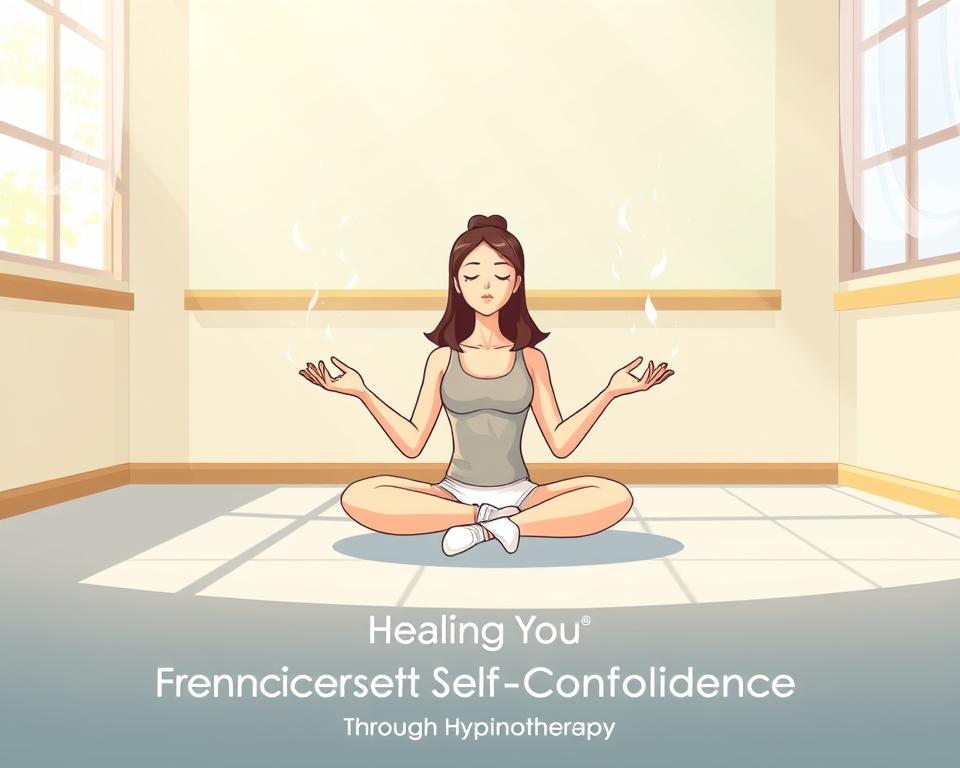
Setting Positive Post-Hypnotic Suggestions
The real power lies in crafting effective suggestions during the hypnotic state. Your mind becomes highly receptive to positive statements that can reshape your automatic responses.
Effective suggestions follow a simple formula: use present tense, focus on what you want, and speak with conviction. This approach helps build genuine confidence from within.
| Suggestion Type | Example | Professional Application |
|---|---|---|
| Meeting Confidence | “I speak my ideas clearly and confidently” | Presenting to colleagues or clients |
| Decision Trust | “I trust my capabilities completely” | Making important business choices |
| Boundary Setting | “I establish limits with ease and grace” | Managing workload and expectations |
Building Momentum Toward Your Goals
Consistent repetition creates new neural patterns in your mind. This process gradually replaces limiting beliefs with empowering ones.
Start with small, achievable goals to build momentum. Each session reinforces positive patterns, making confident thinking your natural state. This transformative approach can truly unlock your potential, as explored in this resource on unlocking self-confidence through hypnosis.
Reaching Out: Feel Better Fast Strategy Session
Taking that first step toward professional support can feel daunting, but I’m here to make it welcoming and comfortable for you. This complimentary session is designed specifically for curious individuals who want to experience hypnotherapy firsthand.
Connect with Me to Transform Your Mindset
During our time together, I’ll listen carefully to your unique challenges and goals. We’ll discuss whether this treatment approach aligns with your needs. You’ll experience a gentle guided hypnosis to feel how it works.
Many people find immediate relief from just one session. They leave feeling lighter and more hopeful about their health journey. This personalized way of working addresses your specific life circumstances.
Email Jennifer@HealingYouHypnotherapy.com or Call (858) 289-6015 – CLICK HERE to schedule
Reaching out is an investment in your mental health and overall well-being. I understand the unique pressures facing professional women in San Diego.
Let’s work together to create positive change. Contact me today to begin your transformation.
Conclusion
As we reach the end of our exploration, remember that the true power of this practice lies within your own mind‘s incredible capacity for change. The real magic isn’t in the method itself—it’s in realizing your own ability to direct your thoughts and responses.
Building an effective routine takes time and consistency, but the benefits for your mental health and overall well-being make it worthwhile. This approach works beautifully as part of a holistic strategy for health, complementing other positive habits.
Whether you’re seeking relief from pain, better sleep, or greater focus, hypnosis offers a powerful way to access that natural relaxed state. Your brain already knows how to create this profound calm.
I’m here to support your journey. If you’re looking for personalized guidance or have questions about hypnotherapy, reach out at Jennifer@HealingYouHypnotherapy.com or call (858) 289-6015. Here’s to your empowered well-being!
FAQ
Is self-hypnosis safe to practice on my own?
Absolutely. When you learn self-hypnosis techniques that work, you are always in control. It’s a natural state of deep relaxation and heightened focus, similar to meditation. You cannot get “stuck” in a trance. It’s a powerful tool for improving your mental and physical health safely.
How long does it take to see results from self-hypnosis?
Many people feel more relaxed and focused after just one session. For deeper goals like building confidence or managing stress, consistent practice is key. You might notice significant shifts in your thought patterns and daily life within a few weeks of regular practice.
Can self-hypnosis really help with physical issues like pain or sleep?
Yes, it can be remarkably effective. By guiding your mind into a deeply relaxed state, you can influence your body’s perception. This practice is widely used to support better sleep, reduce tension, and manage chronic pain by altering the mind-body connection.
I have a busy schedule. How can I fit this into my day?
The beauty of these techniques is their flexibility. Even 10 to 15 minutes a day can yield powerful benefits. You can practice during a lunch break, right before bed, or anytime you need a mental reset. It’s all about integrating short, focused sessions into your routine.
What’s the difference between self-hypnosis and meditation?
Both promote relaxation and awareness, but they have different intentions. Meditation often focuses on observing thoughts without judgment. Self-hypnosis is more goal-oriented, using focused attention and specific suggestions to create positive change in your life, health, or confidence.
Do I need any special equipment to start?
A> Not at all. All you need is a quiet space where you won’t be interrupted. Some people find guided audio recordings helpful when first learning, but your own mind and a comfortable place are the only true requirements for a successful session.