
Have you ever felt that opening up to people you don’t know might be easier than talking to those closest to you?
If you’re reading this, you’ve taken a brave step. You’re looking for a connection during a tough time. I’m Jennifer Dettloff-Carter, and I want you to know you don’t have to face these feelings alone. So many people understand what you’re going through.
It’s true. The World Health Organization states that over 264 million individuals globally experience similar challenges. This fact helps normalize your experience and reduces that sense of isolation.
There is real hope. A 2015 study showed that participants in a specific type of gathering felt their symptoms and self-stigma decrease over 10 weeks. They valued the judgment-free communication and felt more comfortable sharing there than with family or friends.
At Healing You Hypnotherapy, I specialize in helping professional women find the right resources for their well-being. Peer communities are powerful, and sometimes, personalized guidance can make all the difference.
This article is your guide to finding the right fit. For a more tailored approach, I invite you to book a Feel Better Fast Strategy Session. You can also reach out directly: Email Jennifer@HealingYouHypnotherapy.com or Call: (858) 289-6015. Remember, support is available, and feeling better is absolutely possible.
Key Takeaways
- Seeking connection is a courageous first step toward improving your mental health.
- You are not alone; millions of people worldwide share similar experiences.
- Evidence shows that participating in specific communities can reduce symptoms and self-stigma.
- Many find it easier to be open in a neutral, understanding environment.
- Healing You Hypnotherapy offers additional, personalized support for professional women.
- This guide will help you navigate your options for finding the right community.
- Taking action, like booking a strategy session, is a powerful move toward recovery.
Understanding the Landscape of Depression Support
Living with ongoing emotional weight can transform simple routines into overwhelming obstacles. Many people misunderstand this condition as temporary sadness, but it’s actually a legitimate mental health challenge that affects every part of your life.
According to the National Institute of Mental Health, diagnosis requires symptoms lasting at least two weeks. Common signs include persistent sadness, hopelessness, loss of interest in activities, fatigue, and sleep changes. Physical symptoms like aches and concentration difficulties also frequently occur.
When you’re facing these health issues, even basic tasks can feel monumental. Work performance, relationships, and self-care often suffer. This is where peer support becomes incredibly valuable.
Connecting with others who share similar experiences creates a unique understanding. Research shows that combining different forms of peer support helps build friendships and community connections. This emotional support provides validation and practical strategies from people who truly understand.
Many professional women find this approach especially helpful for balancing high-functioning lives while managing mental health challenges. At Healing You Hypnotherapy, I offer personalized guidance that complements these community connections.
What is a “depression support group online”?
Imagine finding a community that understands your journey, available right from your living room. These virtual gatherings are safe spaces where individuals connect over shared experiences.
They are typically peer-led, meaning facilitators are people who have walked a similar path. This creates a unique bond of genuine understanding.
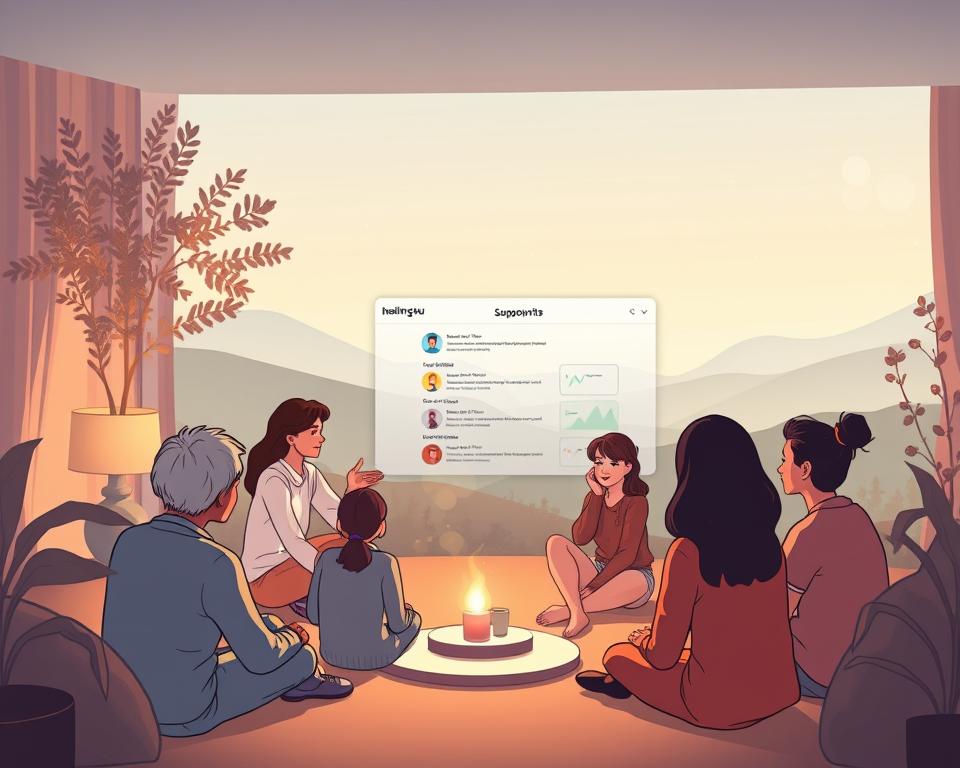
How Virtual Groups Differ from In-Person Meetings
Virtual communities remove common barriers. There’s no travel required, offering incredible flexibility for busy schedules.
You can access these gatherings from anywhere, connecting with people worldwide. This opens up a much broader pool of shared experiences and perspectives.
Benefits of an Online, Peer-Led Environment
The format itself encourages openness. Many find it easier to share vulnerable feelings in this setting.
Research shows powerful outcomes. Participation in these communities can improve treatment adherence by nearly 86%.
This approach works wonderfully as part of a comprehensive wellness plan. For a more personalized strategy, I invite you to book a Feel Better Fast Strategy Session.
Exploring Different Formats of Online Support Groups
The beauty of digital wellness spaces lies in their flexibility. There’s truly an option for every schedule and preference.
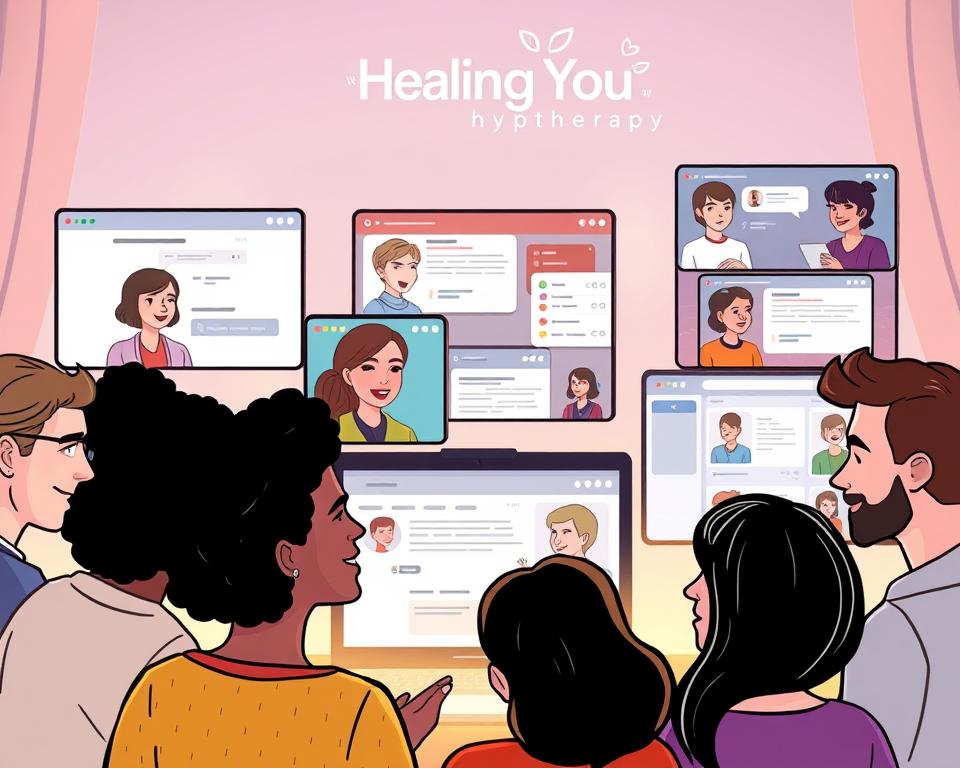
Understanding these formats helps you choose what feels most comfortable. Let’s explore your two main options.
Asynchronous Forums: Flexibility and Accessibility
These communities work like message boards. You can post questions and share experiences on your own timeline.
This format offers 24-hour access. It’s perfect for night owls or people with unpredictable schedules.
Members appreciate the space for thoughtful reflection. You can compose your thoughts carefully before sharing.
Synchronous Virtual Meetings: Real-Time Connection
These gatherings happen in real-time through video platforms. They typically meet weekly for 1-2 hours.
You get immediate connection and emotional support. Seeing faces and hearing voices builds deeper relationships.
While they require scheduling commitment, these meetings feel closest to in-person experiences.
Some people benefit from using both formats. Forums provide ongoing help, while scheduled meetings offer deeper connection.
Evaluating Top Online Support Resources
Finding the right community can feel like a big decision. This curated guide highlights reputable organizations to help you find your best fit.
Each organization offers a unique approach to connection. Let’s explore the highlights.
Highlights from Leading Organizations
The Anxiety and Depression Association of America (ADAA) boasts a massive online forum with over 59,000 members. It’s ideal for frequent, anonymous interaction.
For immediate help, 7 Cups provides 24/7 chat rooms and listeners. Remember, these are trained volunteers, not licensed clinicians.
NAMI Connection offers a personal touch through consistent, peer-led Zoom meetings. This fosters a strong sense of community.
The Depression and Bipolar Support Alliance (DBSA) excels with specialized cohorts. They serve veterans, young adults, and BIPOC communities, among others.
Mental Health America (MHA) is excellent for those managing multiple health concerns. Their platform covers over 20 conditions.
For parents navigating postpartum challenges or grief from loss, Postpartum Support International (PSI) is vital. They offer specific groups for diverse experiences, including for fathers and military families.
Scientific Evidence and User Experiences
These communities are not just well-intentioned; they are effective. A 2021 study confirmed the positive impact of virtual peer communities on well-being.
Users consistently report feeling less isolated and more hopeful. Finding people with similar life experiences creates a powerful bond.
This external validation is a cornerstone of good mental health care.
| Organization | Best For | Key Feature |
|---|---|---|
| ADAA | Daily Engagement | Large, active forum (59k+ members) |
| 7 Cups | Crisis Support | 24/7 availability with volunteer listeners |
| NAMI | Community Feel | Consistent, peer-led virtual meetings |
| DBSA | Specialized Identity Groups | Focus on bipolar disorder and specific cohorts |
| PSI | Postpartum & Parental Support | Groups for pregnancy loss, new parents, and grief |
Questions about which resource might be right for you? Want to explore additional, personalized strategies? You can always email me at Jennifer@HealingYouHypnotherapy.com or call (858) 289-6015.
Getting Started with Your Support Journey
Taking that first step toward connection shows incredible strength and self-awareness. This act of courage deserves recognition as you move toward wellness.
Most virtual communities welcome anyone seeking connection without requiring formal diagnosis. This openness creates accessible spaces for healing.
How to Join a Group and What to Expect
Begin by browsing the organizations mentioned earlier. Visit their websites and look for registration pages. You can create accounts for forums or sign up for scheduled meetings.
Your first session typically starts with introductions and guidelines. Facilitators emphasize confidentiality and respect. You can share as much or as little as you feel comfortable with.
There’s no pressure to speak immediately. Many participants listen for several sessions before sharing. This approach honors everyone’s comfort level.
Different groups offer various structures. Some follow open discussion formats where members share experiences. Others use step processes or themed activities.
You’ll likely find kinship with people who have similar experiences. This connection reduces isolation and provides practical strategies. Make sure the group’s format aligns with your needs.
Remember, most of these communities are completely free. This removes financial barriers to valuable peer-led support.
Schedule Your Free Feel-Better-Fast Strategy Session
While peer communities offer incredible value, some people benefit from additional guidance. Personalized support can help work through deeper patterns.
Ready to complement your community connection with one-on-one care? I’m Jennifer Dettloff-Carter, and I help professional women rediscover balance through gentle hypnotherapy.
Schedule your free Feel-Better-Fast Strategy Session today—CLICK HERE to schedule. Or reach out directly: Email Jennifer@HealingYouHypnotherapy.com or call (858) 289-6015.
Whether you choose peer groups, professional therapy, or a combination, taking action is what matters most. Your journey toward feeling better starts now.
Jennifer Dettloff-Carter’s Personal Insights and Guidance
For many accomplished women, the pressure to excel in every role can create an invisible burden that few around you truly understand. I see you managing career demands while carrying emotional weight that others might not notice.
A Message for Professional Women Seeking Hope and Balance
When you’re high-functioning, it’s easy to appear “fine” while struggling internally with mental health issues. The exhaustion of wearing this mask is real. Seeking support isn’t weakness—it’s wisdom.
Research shows 96% of participants feel more hopeful about managing their challenges after finding connection. While peer communities provide shared experiences, hypnotherapy addresses deeper patterns affecting your mood.
My approach at Healing You Hypnotherapy complements group support with personalized tools. It’s gentle, collaborative work that helps access your inner resources for lasting wellness.
Contact Me Directly: Email Jennifer@HealingYouHypnotherapy.com or Call (858) 289-6015
I’d be honored to support your journey. Whether you’re exploring options or want additional help alongside community connection, let’s talk. Email me directly or call to discuss your situation.
You can also schedule a free Feel-Better-Fast Strategy Session. Many clients feel noticeably lighter after this first experience. Hope and healing are available—you deserve both.
Conclusion
Your search for connection has brought you to a place of real possibility and hope. If you’ve read this far, you’re already taking important steps toward feeling better—and that matters tremendously.
Remember that millions share similar challenges with their mental health. These communities bridge the gap by connecting you with people who truly understand.
The benefits are clear: accessible formats, free participation, and proven effectiveness. Organizations like ADAA, NAMI, and DBSA offer excellent resources for various needs.
Joining doesn’t require formal diagnosis—these spaces welcome anyone seeking emotional support. While peer-led gatherings provide valuable shared experiences, professional guidance can address deeper patterns.
I’m here as an additional resource at Healing You Hypnotherapy. Email Jennifer@HealingYouHypnotherapy.com or call (858) 289-6015 with questions.
Better yet, schedule your free Feel-Better-Fast Strategy Session today. Recovery is possible with the right combination of care. Your journey to feeling better starts with a single step—take it today.
FAQ
What exactly is a peer-led group for mental health?
A peer-led group is a community space guided by individuals who have personal experience with similar challenges, like mood disorders. Instead of a professional therapist leading, members share their own journeys and coping strategies. This creates a unique environment of mutual understanding and emotional connection.
How can an online community help with my mental wellness?
An online community provides a safe space to connect with others who truly understand. You can share your experiences, gain new perspectives, and receive encouragement without leaving home. This accessibility can be a vital part of managing your health issues and feeling less alone.
Are these virtual meetings confidential?
A> Reputable organizations, such as the Bipolar Support Alliance and NAMI, prioritize your privacy. They establish clear guidelines for participants to create a trusted environment. Always review a group’s rules to make sure you feel comfortable with their confidentiality policies.
What if I’m also dealing with grief, postpartum challenges, or substance use?
Many groups are tailored to specific life experiences, including grief, loss, postpartum adjustment, and co-occurring disorders. Resources like the Anxiety and Depression Association of America (ADAA) often have dedicated forums. Finding a community that aligns with your specific situation can provide more targeted peer support.
Can my family members join a group?
Absolutely. Organizations like NAMI offer specific groups for family members and friends. These spaces provide essential emotional support and education for those supporting a loved one with a mental illness. It helps them understand the journey and learn effective ways to help.
How do I know if a particular community is right for me?
It’s important to explore different formats, like asynchronous forums for flexibility or live meetings for real-time connection. Read about user experiences and the scientific evidence behind the group’s approach. Most groups welcome you to observe or join a introductory session to see if it’s a good fit for your needs.