
Hello, I’m Jennifer Dettloff-Carter from Healing You Hypnotherapy in San Diego. If you’re reading this, you’ve shown incredible courage. You’re exploring new ways to feel better when life feels heavy.
Many people don’t realize that effective approaches for mild to moderate symptoms don’t always require medication. There are pathways that honor your whole being—mind, body, and spirit.
This perspective is especially empowering for professional women balancing career, family, and personal needs. You deserve care that fits your unique lifestyle.
I combine clinical research with practical wisdom to help you make informed decisions about your mental health. Your journey toward wellness should feel personal and hopeful.
Ready to explore what’s possible? Contact me at Jennifer@HealingYouHypnotherapy.com or call (858) 289-6015. Let’s schedule your free Feel-Better-Fast Strategy Session where you’ll experience gentle hypnotherapy.
Key Takeaways
- Effective approaches exist beyond traditional medication for mild to moderate symptoms
- Whole-person care addresses mind, body, and spirit together
- Professional women benefit from personalized strategies that fit busy lifestyles
- Combining research with practical wisdom creates informed decision-making
- Gentle hypnotherapy offers a safe starting point for exploration
- Free strategy sessions provide immediate experience of complementary approaches
- Expanding your wellness toolkit honors your unique needs and goals
Introduction to Holistic Depression Therapy Options
I’m so glad you found your way here. Taking this step to learn more shows incredible strength, especially when things feel heavy. This guide is your companion on the path to feeling better.
Welcome and What This Guide Offers
We will explore evidence-based approaches that support your entire well-being. This includes nutritional support, mindfulness practices, physical activity, and personalized sessions.
My perspective is that even small, rewarding steps create a pathway forward. You will learn the research and find practical actions you can start today.
Connecting with Your Inner Strength
This low mood often makes people feel stuck. It can drain your mental energy. But there are gentle, effective ways to begin moving forward.
These methods recognize that your thoughts, physical health, and sense of purpose are all connected. For professional women balancing many roles, this whole-person care is essential.
You have an inner strength waiting to be rekindled. Sometimes, reading depression quotes to find hope and can be a simple first step.
| Feeling | Gentle Action | Potential Benefit |
|---|---|---|
| Overwhelmed | 5 minutes of deep breathing | Calms the nervous system |
| Low Energy | A short walk outside | Boosts mood and circulation |
| Stuck | Journaling one thought | Creates clarity and release |
You don’t need to overhaul your life overnight. Modest changes create meaningful shifts. Have questions? Email me at Jennifer@HealingYouHypnotherapy.com or call (858) 289-6015. Let’s talk about your specific challenges in a free Feel-Better-Fast Strategy Session.
Understanding Holistic Depression Therapy Options
Many people discover that addressing their whole self—not just isolated symptoms—can create meaningful shifts in how they feel. This comprehensive approach recognizes that your thoughts, physical health, and emotional well-being are deeply connected.
When you experience low mood, it’s not just about brain chemistry. Your nutrition, movement patterns, sleep quality, and stress levels all play significant roles. These factors influence your nervous system and overall mental health.
Whole-person approaches work with your body’s natural healing abilities. They support brain function and help regulate your mood. Small changes in one area often create positive ripple effects throughout your entire system.
For professional women managing busy lives, these methods offer practical solutions. They empower you to take an active role in your wellness journey. You can combine different therapies to create a personalized treatment plan that fits your lifestyle.
Remember, feeling stuck is temporary. There are multiple pathways forward, and finding the right combination for you is key. Understanding your options is the first step toward creating meaningful change.
The Science Behind Complementary Therapies
The evidence supporting complementary methods for emotional wellness is more robust than many realize. This isn’t just folk wisdom—it’s backed by decades of rigorous clinical investigation.
Clinical Evidence on Natural Treatments
Researchers have examined thousands of patients across multiple randomized controlled trials. These studies provide strong validation for various natural approaches.
The research shows significant reductions in depression scores using standardized measures. Some complementary therapies work as effectively as prescription medications but with fewer side effects.
Key Research from PubMed and Meta-Analyses
A comprehensive PubMed review from 1966 to 2010 analyzed clinical evidence for major depressive disorder. This examination included only relevant human trials.
Multiple meta-analyses demonstrate the effectiveness of various complementary approaches. Combining multiple studies provides the most reliable evidence about treatment effectiveness.
Understanding this science helps you make informed decisions. It gives confidence that these approaches have real therapeutic value for depressed patients.
Research continues to evolve, exploring how different therapies can be combined. I stay current with the latest findings to provide evidence-based guidance during our sessions.
Integrative Nutritional Support and Fatty Acids in Depression
The food you choose each day can be a powerful ally in supporting your emotional well-being. What you eat directly affects brain function and neurotransmitter production.
Role of Omega-3 Fatty Acids and Folate
Research shows omega-3 fatty acids play a crucial role in brain health. Neurons contain high levels of these essential fats that influence membrane fluidity and neuroendocrine regulation.
A meta-analysis of 16 trials found omega-3 fatty acids produced measurable improvements. Patients with major depressive disorder showed 3- to 4-point reductions on standardized scales.
Studies involving 2,949 patients used doses from 0.5 to 9.6 grams daily. Those with more severe baseline symptoms experienced greater benefits from these fatty acids.
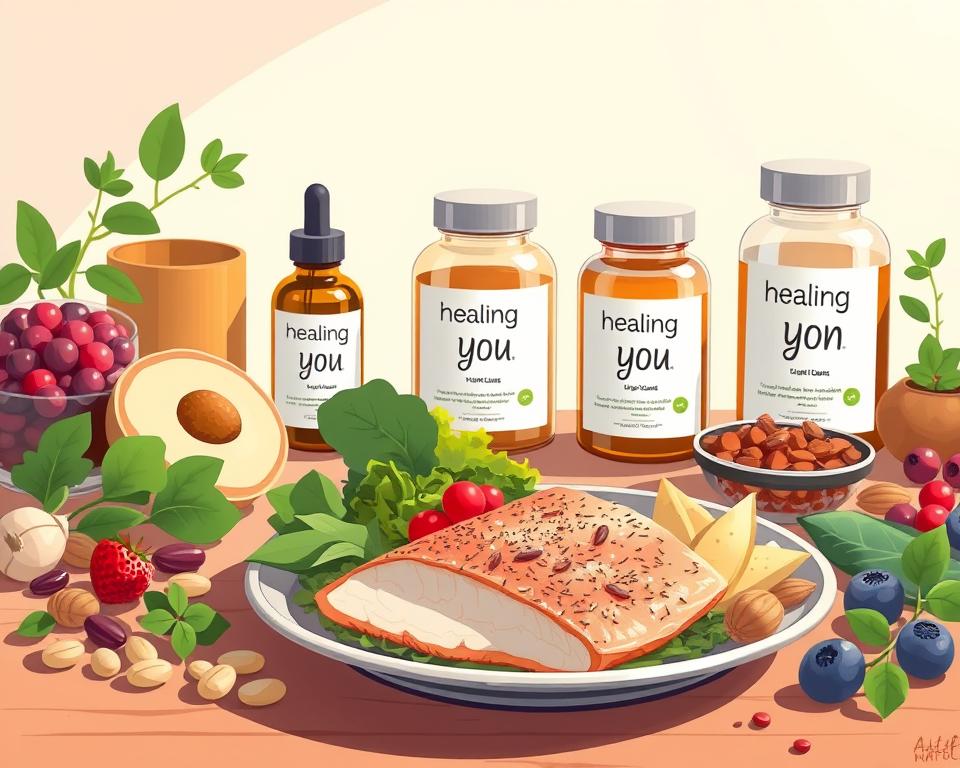
Folate (vitamin B9) is equally important for synthesizing mood-regulating neurotransmitters. People with folate deficiency are six times less likely to respond to conventional treatment.
In clinical trials, folate supplementation reduced depressive scores as adjunct therapy. This makes nutritional support a valuable addition to any wellness plan.
Simple changes can make a big difference. Consider adding fatty fish like salmon to your meals 2-3 times weekly. Include folate-rich leafy greens and legumes for comprehensive support.
These strategies fit beautifully into busy professional lifestyles. During our Feel-Better-Fast Strategy Session, we can discuss personalized nutritional approaches for your unique needs.
The Impact of Exercise and Mindfulness on Mood
Movement can be a powerful ally when you’re feeling low. Research reveals that physical activity offers substantial benefits for emotional well-being.
A comprehensive review of 25 studies involving 1,505 patients found that exercise produced significant improvements in depression symptoms. The effect was comparable to cognitive behavioral therapy in six trials and matched antidepressants in two studies.
How Physical Activity Enhances Brain Function
Regular movement does more than strengthen your body—it directly supports your brain health. Physical activity triggers the release of endorphins and brain-derived neurotrophic factor (BDNF), which enhances brain function and nerve cell communication.
Studies show that exercise also lowers cortisol levels and promotes hippocampus growth. This brain region plays a crucial role in regulating mood and managing stress.
I understand that low energy can make starting difficult. Yet movement is one of the most effective ways to restore that vitality. Even gentle activities like walking or yoga provide meaningful benefits.
Combining exercise with mindfulness practices addresses both anxiety and low mood. This approach supports your overall mental health through natural, accessible methods.
Ready to explore movement strategies that fit your lifestyle? During your free Feel-Better-Fast Strategy Session, we can identify personalized approaches that work with your current energy levels.
Exploring Additional Natural Treatments
Some of the most promising natural treatments have centuries of traditional use combined with modern scientific validation. Let’s explore two well-researched options that many find helpful.
Insights on St John’s Wort and SAM-e
St. John’s wort stands out as one of the most studied natural approaches. A major analysis of 29 trials involving over 5,800 patients found it significantly more effective than placebo. The research showed it worked as well as prescription antidepressants.
Patients experienced far fewer side effects with St. John’s wort. Dropout rates were substantially lower compared to traditional medications. Most effective studies used 500-1,200 mg daily of standardized extract.
Important safety note: St. John’s wort should not be combined with antidepressant medications due to serotonin syndrome risk. It can also affect how your body processes other drugs.
SAM-e is another promising option. Clinical trials show oral doses of 1,600 mg daily produced impressive results—equivalent to tricyclic antidepressants but with only 5% side effects versus 20%.
These natural treatments require the same careful consideration as any medication. During your free Feel-Better-Fast Strategy Session, we can discuss whether these approaches might fit your unique situation.
Personalized Hypnotherapy: A Gentle Approach to Healing
Professional women often tell me they’ve tried everything logically, but their emotions haven’t caught up. This is where personalized hypnotherapy offers a different way forward—working at the level where lasting change actually happens.
Many people misunderstand what hypnotherapy involves. You remain completely aware and in control throughout our sessions. It’s actually a state of focused relaxation where we access your mind’s natural healing capacities.
Experience a Guided Taste of Hypnotherapy
During sessions, we gently reframe negative thought patterns and release emotional blocks. This approach helps regulate emotions and reduces symptoms of depression. You reconnect with your inner strength and resilience.
What makes my approach unique is how I tailor every session to your specific experiences and goals. There are no generic scripts—just compassionate guidance designed for your unique needs as a professional woman.
The process feels calming and often provides immediate relief from stress and anxiety. Many clients notice positive shifts in their mood and perspective right away.
Schedule Your Free Feel-Better-Fast Strategy Session
I invite you to experience this gentle approach firsthand during a complimentary Feel-Better-Fast Strategy Session. We’ll discuss your challenges and goals, then you’ll experience a brief guided session.
This free consultation helps you discover if hypnotherapy feels right for you. There’s no commitment—just an opportunity to explore what’s possible.
Got questions? Email me directly at Jennifer@HealingYouHypnotherapy.com or call (858) 289-6015. Better yet, schedule your free Strategy Session to experience how hypnotherapy can support your mental health journey.
Integrating Research and Real-World Evidence
The landscape of emotional care is evolving as new evidence emerges about treatment effectiveness. A 2022 reanalysis of the largest antidepressant study revealed important patterns.

How Complementary Therapies Compare to Medications
Traditional medication only relieves symptoms in about one-third of patients. When first-line approaches don’t work, doctors often try stronger medications.
Yet research shows less than 2% of patients benefit from third or fourth medication attempts. This highlights the need for evidence-based alternatives.
Several complementary approaches show comparable effectiveness to medications. St. John’s wort, exercise, and omega-3 fatty acids often produce similar results with fewer side effects.
| Approach | Effectiveness Rate | Side Effect Profile | Real-World Fit |
|---|---|---|---|
| Traditional Medication | ~33% of patients | Higher incidence | Requires prescription |
| Complementary Therapies | Comparable results | Generally milder | Integrates with lifestyle |
| Combined Approach | Enhanced outcomes | Managed carefully | Personalized care |
For mild to moderate cases, natural methods may be equally effective as first-line options. Combining approaches often yields the best results.
Treatment requires personalization—what works for one person may differ for another. Understanding your options empowers you to create a plan that fits your life.
Ready to explore what might work for you? Schedule your free Feel-Better-Fast Strategy Session to discuss personalized approaches.
Catering to the Unique Needs of Professional Women
Balancing career demands with personal life can feel like an endless tightrope walk for many accomplished women. You’re managing complex responsibilities while carrying the weight of emotional challenges.
Embracing Balance Amid Life’s Demands
I understand that high-functioning depression often means appearing successful externally while struggling internally. The pressure to “have it all together” creates extra stress and anxiety.
Many people sacrifice sleep to meet competing demands, yet quality rest is essential for mood regulation and energy. Chronic workplace stress often worsens feelings of depression.
The most effective way forward honors your intelligence and desire for evidence-based approaches. Complementary methods like nutritional support and gentle therapy fit into busy schedules without major disruptions.
Seeking support shows wisdom, not weakness. Health and wellness retreats offer dedicated space for renewal when daily life feels overwhelming.
True balance means making intentional choices that support your well-being. You deserve approaches that respect your time while addressing your unique needs as a professional woman.
Enhancing Brain Function and Managing Symptoms
When you’re navigating low mood, understanding how your brain responds can be empowering. Taking action isn’t just about feeling better today—it’s about supporting your long-term mental health.
Research shows that untreated emotional challenges can create changes in brain function that make future episodes more likely. The longer symptoms persist, the greater the increased risk of recurrence.
Common symptoms like persistent sadness, low energy, and sleep disturbances affect your daily life. These depression symptoms interact with your nervous system, disrupting mood regulation and cognitive processes.
Sleep quality and emotional wellness create a powerful cycle. Poor sleep worsens symptoms depression, while the disorder itself disrupts restful nights. Breaking this pattern requires addressing both directions.
Different approaches help different patients. Some find movement boosts energy, while others benefit from nutritional support or personalized sessions. The goal is to support healthy brain function and break patterns that perpetuate the disorder.
Progress often happens gradually—better sleep first, then increased energy, then mood improvement. Each step builds momentum toward lasting change.
While depression symptoms can feel overwhelming, targeting specific challenges with evidence-based methods creates meaningful shifts. You don’t need to manage all symptoms at once—every improvement matters.
Ready to discuss which approaches might help your most troubling symptoms? During your free Feel-Better-Fast Strategy Session, we’ll create a personalized plan for your unique needs.
Conclusion
Completing this guide marks an important step in your commitment to feeling better. You’ve explored evidence-based approaches that honor your whole being.
The research clearly shows these methods offer real benefits for emotional health. You don’t need to figure everything out alone.
Personalized care makes all the difference. Combining approaches that fit your lifestyle creates meaningful change.
From my perspective, hope and healing are always possible. Small steps lead to big transformations.
I’d love to help you find the right way forward. Email me at Jennifer@HealingYouHypnotherapy.com or call (858) 289-6015.
Schedule your free Feel-Better-Fast Strategy Session today. You’ll experience gentle hypnotherapy and leave feeling calmer. You deserve to feel better starting now.
FAQ
What are some natural ways to help manage feelings of sadness?
Many people find relief through methods like regular physical activity, mindfulness meditation, and ensuring proper nutritional support. Incorporating omega-3 fatty acids into your diet and exploring gentle practices like acupuncture can also make a positive difference in your mood and overall well-being.
Is there scientific proof that these approaches work?
Yes, absolutely. Numerous studies, including meta-analyses found on PubMed, show that complementary therapies can be effective. Research highlights the benefits of exercise for brain function and the role of nutrients like folate in supporting mental health.
Can supplements like St. John’s Wort really help?
St. John’s Wort has been widely studied, particularly for mild moderate symptoms. While some research shows promise, it’s crucial to consult with a healthcare provider before use, as it can interact with other medications and may not be suitable for everyone.
How does hypnotherapy fit into a wellness plan?
Hypnotherapy offers a gentle, personalized way to access the subconscious mind, helping to reframe negative thought patterns and reduce stress. It’s a powerful tool for promoting deep relaxation and can be a valuable part of a comprehensive approach to healing.
Are these options a replacement for medication?
These strategies are often used as complementary support alongside traditional treatment. They can enhance overall health and well-being. It’s essential to work with a professional to create a plan that’s right for you, as medication may still be a necessary component for some individuals.