
Hi, I’m Jennifer Dettloff-Carter from Healing You Hypnotherapy in sunny San Diego. If you’re a professional woman feeling weighed down by mental health challenges, you’ve likely wondered if there’s another path forward. Many people believe pharmaceutical interventions are the only option, but what if I told you there’s more to the story?
Research consistently shows that lifestyle adjustments and therapeutic approaches can be incredibly effective for managing emotional wellness. The journey toward feeling better doesn’t have to mean automatic prescriptions. For many individuals, holistic methods and daily coping skills can create profound shifts.
This guide offers practical strategies that busy women can implement, even when motivation feels scarce. Healing takes time and patience—there’s no universal solution. What matters is discovering what resonates with your unique situation.
Your current state doesn’t define you. With proper support and tools, you can rediscover that calmer, more authentic version of yourself. I offer a complimentary Feel-Better-Fast Strategy Session where we can discuss your specific needs. Let’s work together to help you feel better starting today.
Reach out at Healing You Hypnotherapy in San Diego to begin your journey.
Key Takeaways
- Holistic approaches can be effective for emotional wellness management
- Every individual’s healing journey is unique and requires patience
- Practical strategies exist for busy professional women
- Your current challenges don’t define your future self
- Professional support can help you discover what works for you
- Small, consistent steps can lead to significant improvements
- Complimentary consultations offer personalized guidance
Introduction to Depression Treatment Without Medication
Many accomplished women I work with share that despite their outward success, they struggle with persistent feelings that weigh them down daily. If this resonates with you, please know that what you’re experiencing is more common than you might think.
Clinical depression, also called major depressive disorder, affects millions of people. While medication can help some individuals with this condition, it’s not the only approach for treatment depression. Many women seek complementary methods to manage their symptoms.
In my San Diego practice, I’ve witnessed incredible transformations when women explore holistic options. These approaches work alongside or instead of traditional methods. They address the root causes of emotional challenges.
| Approach | Focus Area | Potential Benefits |
|---|---|---|
| Therapeutic Techniques | Mindset & Patterns | Addressing underlying thought processes |
| Lifestyle Adjustments | Daily Habits | Creating sustainable wellness foundations |
| Self-Compassion Practices | Emotional Resilience | Building inner strength and acceptance |
Taking that first step to seek help demonstrates remarkable courage. Whether you’re dealing with temporary challenges or longer-term depression, these strategies can provide meaningful relief.
Staying open to approaches like hypnotherapy might surprise you with how deeply they resonate. Your journey toward feeling better deserves exploration beyond conventional options.
Understanding the Impact of Depression on Professional Women
There’s a particular kind of exhaustion that comes from maintaining external composure while internally feeling completely drained and overwhelmed. This experience affects many high-achieving individuals who face unique pressures.
Depression manifests differently for each person based on their circumstances and responsibilities. For those balancing career demands with personal life, recognizing the symptoms can be challenging.
Recognizing Common Challenges
Many people find themselves putting on a brave face during work hours while their mood suffers privately. The pressure to appear competent and energetic can be exhausting when you’re struggling internally.
It’s common to push through demanding days despite feeling emotionally depleted. This experience doesn’t reflect personal weakness—it’s part of how major depressive disorder affects functioning.
| Common Scenario | Internal Experience | Healthy Response |
|---|---|---|
| Work meetings | Smiling externally while feeling low | Allow brief breaks for self-care |
| Long workdays | Exhaustion despite adequate rest | Set realistic energy boundaries |
| Social expectations | Guilt about struggling | Practice self-compassion instead |
The Importance of Self-Acceptance
Accepting where you are today is the foundation for meaningful progress. Depression involves real changes in brain chemistry—it’s not something you can simply overcome through willpower.
Some days will feel more challenging than others, and that’s completely normal. Each person’s journey looks different, and one difficult day doesn’t erase your overall progress.
Treat yourself with the same kindness you’d offer a close friend. This compassionate approach creates space for genuine healing to begin.
The Role of Hypnotherapy in Your Healing Journey
When people hear ‘hypnotherapy,’ they sometimes picture stage shows. Clinical hypnotherapy is quite different. It’s a gentle, evidence-based therapy I use at Healing You Hypnotherapy.
https://www.youtube.com/watch?v=qg4O2OvfzAU
This approach uses guided relaxation to reach a focused state. You remain fully aware and in control. Your subconscious mind becomes more open to positive suggestions.
How Hypnotherapy Supports Mental Health
Hypnotherapy may help identify unconscious patterns that affect mood. Research shows it can create a positive effect on thought processes. It supports emotional regulation and stress management.
This therapy works with your brain’s natural ability to change. It helps build new neural pathways for healthier responses. It’s a tool that can complement other approaches to health.
| Common Misconception | Reality of Clinical Hypnotherapy | Client Experience |
|---|---|---|
| Loss of control | You are always in charge | Feeling safe and guided |
| Only for entertainment | Evidence-based therapeutic technique | Meaningful personal insights |
| Instant fix | Process of building new skills | Lasting positive changes |
Real-Life Success Stories
Professional women often arrive feeling overwhelmed. Through consistent sessions, they find significant relief. Many report sleeping better and feeling less anxious.
They develop a more compassionate inner dialogue. This personalized approach helps them reconnect with joy. My collaborative method creates a custom path for each person.
Experience this gentle process during your Feel-Better-Fast Strategy Session. We’ll discuss your situation and you’ll try a brief guided experience. Many feel lighter and calmer immediately afterward.
Identifying Key Symptoms and Challenges
Recognizing the full spectrum of emotional challenges is an important first step toward meaningful change. Many women notice shifts in their daily experience but may not connect them to their overall emotional wellness.
Understanding these signs helps you make sense of what you’re going through. It’s not about labeling yourself, but about gaining clarity.
Signs of Depression Beyond the Surface
The symptoms of emotional challenges extend far beyond feeling sad. You might experience symptoms like persistent fatigue that doesn’t improve with rest.
Changes in sleep patterns or appetite are common. Many people also notice difficulty concentrating at work.
Some less obvious signs include feeling emotionally numb rather than upset. You might lose interest in activities you once enjoyed.
It’s common to feel more irritable or have a shorter fuse with colleagues. These depression symptoms can fluctuate throughout the day.
| Symptom Category | Common Experiences | Daily Impact |
|---|---|---|
| Physical Symptoms | Unexplained aches, fatigue | Reduced energy for tasks |
| Cognitive Changes | Difficulty focusing, memory issues | Work challenges, missed details |
| Emotional Shifts | Irritability, emotional numbness | Relationship strain, isolation |
“Understanding what you’re experiencing is the first step toward finding what helps.”
Many people experience symptoms of both low mood and anxiety together. This combination can feel particularly overwhelming.
Remember that these challenges represent a real medical condition. They deserve compassionate attention and support.
During my Feel-Better-Fast Strategy Session, we explore what you’re experiencing in a judgment-free space. Together, we can identify patterns and create a personalized approach.
Incorporating Daily Coping Skills
Small, consistent actions create powerful shifts in how you experience each day. When motivation feels scarce, starting with simple strategies can build momentum.
The MY PEERS framework offers evidence-based techniques that help many people. Remember that you might not feel like doing these activities at first—that’s completely normal.
Meaning and Personal Service
Finding small ways to serve others creates purpose and shifts focus outward. This could mean offering a genuine compliment or helping a neighbor.
Even tiny acts of service provide a sense of connection. They remind you that you matter to the world around you.
Setting Workable, Attainable Goals
Create goals that are manageable for your current energy level. Instead of overwhelming yourself, focus on what you can control today.
Good examples include walking around the block instead of exercising for an hour. Or texting one friend rather than planning social things.
Each small accomplishment builds neural pathways for motivation. These goals create positive momentum throughout your day.
“Progress happens one small step at a time, not in giant leaps.”
Scheduling pleasant events helps retrain your brain to experience joy. Give yourself permission for a 30-minute “vacation” doing something you used to enjoy.
These practices take time but create meaningful change. Every day you try even one strategy, you’re moving forward.
During your Feel-Better-Fast Strategy Session, we’ll identify realistic goals for your unique situation. Together, we can create a personalized routine that fits your life.
The Power of Exercise and Sleep in Mental Health
When energy feels scarce, the idea of adding exercise to your day can seem overwhelming. I completely understand this reaction. The research on movement and rest, however, reveals some truly compelling benefits for emotional wellness.
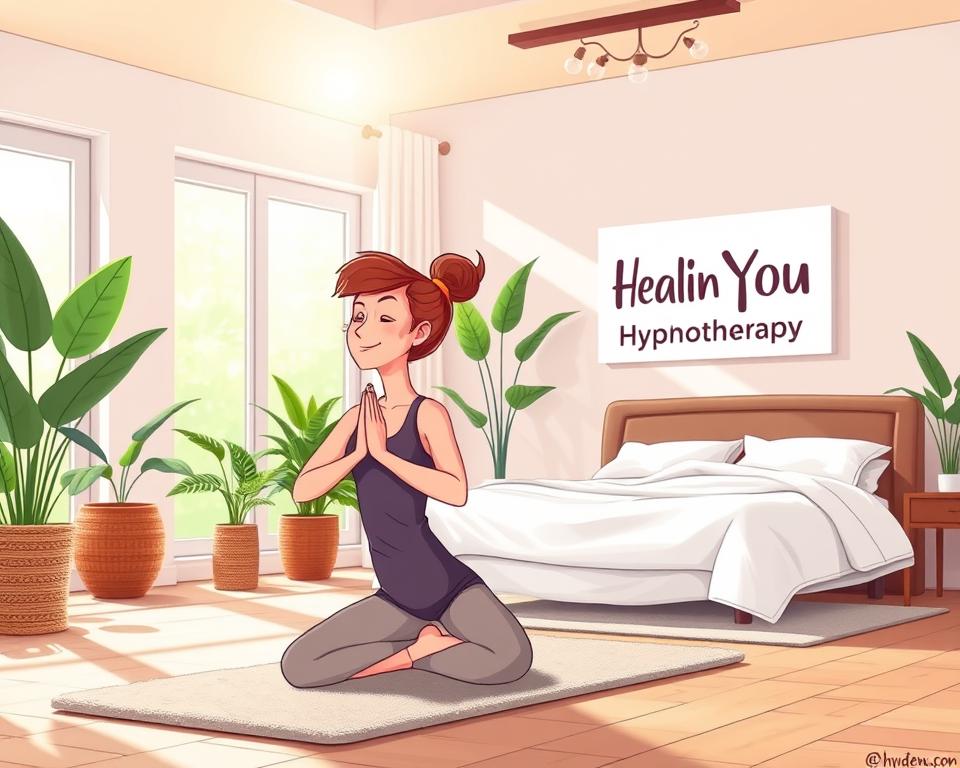
Benefits of Regular Physical Activity
Studies show that consistent movement can create a positive effect comparable to medication for some individuals. You don’t need intense workouts to experience benefits. Moderate activity for 30 minutes most days of the week can dramatically improve your mood.
This level of exercise means moving enough that singing becomes difficult. Yet you could still hold a conversation. The goal is consistency rather than intensity.
| Activity Type | Time Commitment | Mood Benefits |
|---|---|---|
| Brisk Walking | 10-30 minutes | Immediate energy boost |
| Gentle Yoga | 15-20 minutes | Reduces stress and anxiety |
| Dancing at Home | 10-15 minutes | Releases endorphins naturally |
Start with what feels manageable. A short walk around your neighborhood counts. So does parking farther away or taking the stairs. Every bit of movement contributes to better health.
Tips for Maintaining Sleep Hygiene
Sleep disturbances often accompany emotional challenges. Both insufficient and excessive sleep can worsen symptoms. Establishing consistent patterns helps regulate your energy levels throughout the day.
“Quality rest is not a luxury—it’s essential for emotional resilience.”
Aim for about eight hours of sleep nightly. Keep similar bedtimes and wake times, even on weekends. Create a relaxing pre-sleep routine without screens.
These changes take time, especially when dealing with depression. Small improvements in sleep quality can have a noticeable effect on your daily functioning. During our Feel-Better-Fast Strategy Session, we can develop personalized approaches that work for your unique situation.
Building Positive Relationships and Self-Compassion
The quiet pull toward isolation can feel incredibly strong when you’re navigating emotional challenges. This paradox is completely normal—when we most need support from others, we often feel like withdrawing. Reaching out takes courage, but connection may help break this cycle.
Focus your limited social energy on people who genuinely lift you up. These are the individuals who create a sense of safety and acceptance. Even small interactions, like texting a friend or having coffee, can make a difference.
You don’t need to pretend everything is fine. Authentic connection means being real about your experience. The right people want to support you through difficult times, not just celebrate during good ones.
Self-compassion is equally important. How you talk to yourself matters tremendously. When you notice harsh self-criticism, pause and ask: “What would I say to a friend in this situation?”
Developing self-compassion takes time and practice. Small shifts in your inner dialogue can create meaningful relief. This approach builds emotional resilience and self-worth.
During our work together, we can identify supportive relationships and cultivate a kinder inner voice. You deserve connection and compassion—both from others and from yourself.
Exploring Mindfulness and Engagement Techniques
Your mind might feel like it’s constantly replaying past conversations or worrying about future scenarios. This mental pattern is common when dealing with emotional challenges. Mindfulness offers a gentle way to interrupt these cycles.
It simply means bringing your full attention to the present moment. Instead of fighting negative thoughts, you learn to observe them without judgment. This practice can significantly improve your mood and overall health.
Meditation and Relaxation Practices
Starting a mindfulness activity doesn’t require hours of silent meditation. Even five minutes of focused breathing can calm your brain and reduce anxiety. The goal is consistency, not perfection.
Try this simple technique: sit comfortably and notice your breath moving in and out. When your mind wanders—which it will—gently guide it back. This practice builds neural pathways for calmness over time.
Staying Present in Daily Activities
Mindfulness isn’t just for meditation cushions. You can practice during everyday things like eating or walking. Notice the taste of your food or the sensation of your feet touching the ground.
This engaged approach helps break the cycle of rumination that often accompanies emotional challenges. Each mindful moment during your day contributes to greater emotional balance.
During your Feel-Better-Fast Strategy Session, I’ll guide you through personalized mindfulness techniques. You’ll discover practical ways to incorporate these skills into your busy life.
Effective Depression Treatment Without Medication Strategies
Building momentum in your emotional wellness journey requires turning insights into consistent action. The people who see the most improvement commit to daily practices, especially on difficult days.

Creating Sustainable Daily Goals
Start with 2-3 manageable activities that give you a sense of accomplishment. This could be a short walk, breathing exercises, or one pleasant activity. Research shows small, attainable goals are vital for managing emotional challenges.
Behavioral activation means doing meaningful things even when motivation feels low. By taking action, you may able to shift your energy and mood. This approach helps overcome depression naturally over time.
Nurturing Self-Care Practices
Self-care extends beyond basics to setting boundaries and engaging in joyful activities. Give yourself permission to prioritize your wellbeing every day. This creates a supportive foundation for lasting change.
When implementing these strategies, remember that consistency matters more than perfection. Difficult days will happen, and that’s okay. Each small step forward contributes to your progress.
The combination of these approaches creates powerful synergy. If you need guidance creating a personalized plan, professional support can help you stay accountable to your goals without judgment.
Practical Steps to Start Your Feel-Better-Fast Strategy Session
Taking that first step toward support can feel both exciting and a little nerve-wracking. I understand that completely. While the strategies we’ve discussed are valuable, implementing them alone when you’re struggling can feel overwhelming.
That’s where personalized support makes all the difference. My complimentary Feel-Better-Fast Strategy Session offers a safe space to explore what’s working and what isn’t.
How to Book Your Free Session
Scheduling your session is simple and designed for busy professionals. CLICK HERE to schedule your appointment at a time that works for you—evening and weekend spots are available.
If you have questions first, email me directly at Jennifer@HealingYouHypnotherapy.com or call (858) 289-6015. I’m happy to discuss whether this approach feels right for your situation.
What to Expect During Your Strategy Session
This 45-60 minute session is unlike typical consultations. We’ll discuss your specific symptoms and goals, then I’ll guide you through a gentle hypnotherapy experience.
Many people feel immediate relief—lighter and calmer right away. Unlike some approaches that take time to work or may cause side effects, this therapy helps you access your own healing resources.
This session is your opportunity to experience how hypnotherapy can support your wellness journey. There’s no pressure—just a genuine chance to see if this resonates with you.
If you’re ready to explore a different path forward, I’d love to support you. CLICK HERE to schedule your free session now, or reach out with questions. You deserve to feel better, and I’m here to help.
Integrating Holistic Self-Care and Lifestyle Changes
Your daily habits around nutrition and mindfulness practices offer powerful tools for emotional balance. These choices work alongside therapeutic approaches to create lasting positive change.
Diet, Gratitude, and New Activities
What you eat truly affects your mood and energy levels. Many people notice improvements when they choose whole foods over processed options. Even small changes can make a difference in how you feel each day.
Try adding more vegetables and lean proteins to your meals. Stay hydrated throughout the day. Notice how these adjustments support your overall health.
Practicing gratitude takes just a few minutes but has lasting effects. You might write down three things you appreciate each evening. This simple activity can shift your perspective over time.
Expressing gratitude to others through notes or texts benefits everyone involved. This practice creates connection while boosting your mood.
Trying new activities creates fresh neural pathways in your brain. Start with something simple like a different walking route. Even small variations can break routine patterns that affect emotional wellness.
These holistic approaches work best when implemented gradually. Choose one area to focus on this week. Remember that consistency matters more than perfection in building sustainable self-care habits.
Conclusion
Every journey toward emotional wellness begins with a single, courageous step. By reading this far, you’ve already taken that important action toward your health.
Remember that meaningful change takes time. You don’t need perfect execution every day. Small, consistent steps create lasting improvements in your mood and symptoms.
The strategies we’ve discussed may help you regain a sense of control. Professional support can provide the guidance needed to overcome challenges.
You deserve to feel better. Schedule your complimentary Feel-Better-Fast Strategy Session today. Contact Jennifer at (858) 289-6015 or Jennifer@HealingYouHypnotherapy.com.
Your brighter future starts now.
FAQ
What are some natural ways to improve my mood and energy levels?
You may be able to boost your mental health by adding regular exercise, better sleep habits, and mindfulness into your day. These activities can help increase your energy and lift your mood over time.
How can hypnotherapy help someone who is feeling overwhelmed?
Hypnotherapy, as practiced by Jennifer Dettloff-Carter, works with your brain to reframe negative thought patterns. It can help you build motivation and a greater sense of calm, addressing the root causes of feeling stuck.
What if I don’t feel like I have the motivation to start?
A> It’s completely normal to feel that way. The key is to set very small, attainable goals for yourself each week. Even a five-minute walk or writing down one thing you’re grateful for can create positive momentum.
Can changing my daily routine really make a difference?
Yes, absolutely. Small, consistent lifestyle changes can have a powerful effect. Building a routine that includes physical activity, connection with others, and self-care practices can significantly support your well-being.
How long does it typically take to see effects from these strategies?
It’s different for every person, but many people notice small improvements in their sense of well-being within a few weeks. Sustainable change takes time, so be patient and kind to yourself on the journey.