
What if you could rewire your mind to feel genuine happiness again, starting today? Life’s pressures can feel immense, especially when you’re juggling a career, relationships, and personal expectations.
Hi, I’m Jennifer Dettloff-Carter from Healing You Hypnotherapy in San Diego. I provide a safe, supportive space for individuals seeking relief from persistent sadness and anxiety.
Many people in their late teens and twenties are experiencing these challenges. It’s okay to seek help. You don’t have to just push through these feelings.
Hypnotherapy is different. It works directly with the subconscious mind to create faster, deeper shifts in how you feel. This approach can lead to significant changes in your overall wellness.
This article will explore various treatment options and the power of this method. You’ll discover practical steps to start feeling better quickly.
I invite you to a complimentary Feel-Better-Fast Strategy Session. It’s a no-pressure opportunity to discuss your personal journey and experience this transformative work.
Recovery is absolutely possible. Taking this first step by reading is a move toward feeling lighter and more in control. I work with clients in San Diego and beyond, offering personalized care.
Key Takeaways
- Persistent sadness and anxiety are common and treatable conditions.
- Hypnotherapy offers a unique approach by accessing the subconscious mind.
- Seeking professional support is a courageous step toward improved wellness.
- A personalized treatment plan can make a significant difference in daily life.
- Initial consultations provide a risk-free way to explore this path to feeling better.
Understanding Depression in Young Adults
If you find yourself constantly minimizing your own struggles while taking care of everyone else, you might be missing important signals from within. When emotional discomfort persists for weeks or months, it’s often more than just a temporary phase.
Recognizing the Signs and Symptoms
This condition manifests through various symptoms that affect daily functioning. Emotional changes include persistent sadness, irritability, and feelings of worthlessness.
Cognitive symptoms like brain fog and difficulty concentrating can make work challenging. Physical changes in sleep patterns and energy levels are also common indicators.
| Symptom Type | Emotional Signs | Physical Changes | Behavioral Shifts |
|---|---|---|---|
| Common Indicators | Persistent sadness, irritability | Sleep disturbances, fatigue | Social withdrawal, loss of interest |
| Work/School Impact | Self-doubt, guilt feelings | Appetite changes, low energy | Difficulty concentrating, avoidance |
| Relationship Effects | Emotional numbness | Unexplained aches | Isolation from family/friends |
Why Early Intervention Matters
Addressing these symptoms promptly prevents them from worsening over time. Early support helps maintain relationships and professional performance.
According to the National Institute of Mental Health, timely intervention significantly improves outcomes. Seeking help demonstrates strength, not weakness.
Recognizing these patterns is the first step toward meaningful change. Support is available through approaches that work with subconscious patterns where these challenges often begin.
A Comprehensive Guide to Depression Therapy for Young Adults
When you’re ready to explore professional support, understanding the different pathways available empowers your decision-making process. The variety of options might seem overwhelming at first glance.
https://www.youtube.com/watch?v=qKcRUOWYQ9w
Overview of Therapeutic Options
Evidence-based talk approaches include Cognitive Behavioral Therapy (CBT) which focuses on changing negative thought patterns. Dialectical Behavioral Therapy (DBT) emphasizes mindfulness and emotional regulation skills.
Interpersonal Therapy examines relationship dynamics while Acceptance and Commitment Therapy guides values-based action. These behavioral therapy methods help identify patterns and create healthier responses.
Medication can address chemical imbalances under proper medical supervision. Many find relief through antidepressants while being mindful of potential side effects.
| Therapy Type | Primary Focus | Session Format | Best For |
|---|---|---|---|
| Cognitive Behavioral | Thought pattern changes | Individual sessions | Negative thinking habits |
| Dialectical Behavioral | Emotional regulation | Group + individual | Intense emotions |
| Interpersonal | Relationship improvement | Individual focus | Social challenges |
| Experiential Therapies | Creative expression | Various formats | Non-verbal processing |
Group and family programs provide connection and community support. Outpatient care allows weekly sessions while intensive programs offer more comprehensive support for severe cases.
Hypnotherapy works directly with the subconscious mind where many emotional patterns reside. This approach often creates faster transformation than talk-based methods alone.
The most effective treatment plan is personalized to your unique situation. Exploring options through a complimentary strategy session helps identify the right fit for your journey.
The Transformative Role of Hypnotherapy
Many people misunderstand this approach as something from a stage show. In reality, it’s a gentle, collaborative process where you remain fully aware and in control.
You simply access a deeply relaxed, focused state. This allows us to work directly with the subconscious mind.
How Hypnotherapy Helps You Feel Lighter and Calmer
When you’re deeply relaxed, your conscious mind—the part that overthinks—steps back. Your subconscious becomes more receptive to positive change.
This is where many emotional patterns reside. We can address root causes like old beliefs or past hurts.
The result is often a faster sense of relief. You’re not just managing symptoms; you’re creating lasting shifts from within. Many individuals notice feeling genuinely lighter and calmer, even after an initial session.
Success Stories and Real-World Applications
I’ve witnessed incredible transformations through this work. People reconnect with lost joy and find new optimism.
This isn’t about bypassing difficult feelings. It’s about processing them safely so they no longer control your life.
Every session is tailored to the individual’s needs. Some focus on calming the nervous system, while others build new mental patterns.
Discover the transformative power of hypnotherapy for yourself during a complimentary strategy session. It’s a safe space to experience this supportive approach firsthand and start your journey toward recovery.
Identifying Key Challenges and Behavioral Patterns
Have you ever canceled plans last-minute because the effort to appear ‘okay’ felt overwhelming? If you’ve told yourself “I should handle this alone” or “others have it worse,” you’re experiencing common thoughts that delay support.
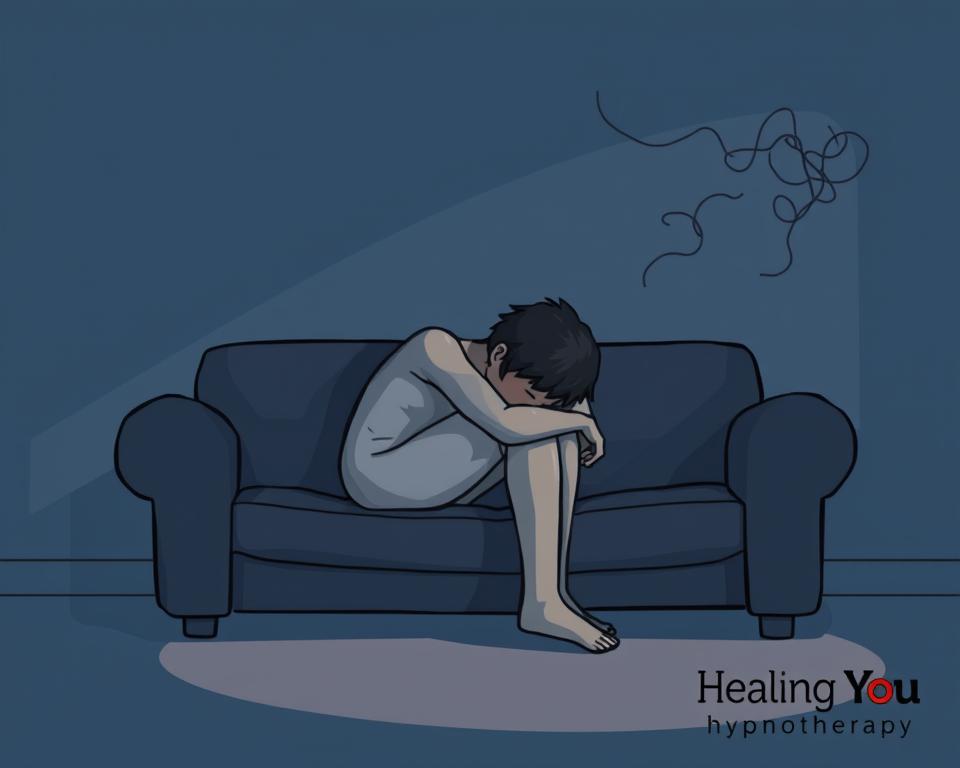
Many people develop patterns that keep them stuck. You might isolate from friends, overwork to avoid feelings, or use substances to cope. These behaviors often start as temporary solutions but become bigger problems.
Common Emotional and Physical Symptoms
Emotional challenges include constant self-criticism and perfectionism. Many adults feel like imposters, struggling to accept compliments. Physical symptoms often manifest as chronic exhaustion that sleep doesn’t fix.
Changes in appetite, tension headaches, and feeling “heavy” are common. Young adults may maintain a successful facade while feeling empty inside. This high-functioning experience makes it hard to recognize you need support.
Barriers to Seeking Professional Help
Stigma around mental health creates significant barriers. Many fear judgment or being seen as “weak.” Concerns about medication side effects or time commitments also prevent action.
Professional women often worry about career impacts. Past negative experiences with care can create hesitation too. Substance use sometimes develops as self-medication, creating additional challenges.
Recognizing these patterns is powerful. Awareness creates opportunity for change. My strategy session offers a judgment-free space to discuss these challenges honestly.
Designing Your Personalized Treatment Plan
Creating lasting change requires more than temporary solutions—it needs a strategy built around you. At Healing You Hypnotherapy, Jennifer crafts each treatment plan based on your unique story and goals.
There’s no one-size-fits-all approach to healing. Jennifer takes time to understand your history, current challenges, and desired outcomes before designing your personalized care program.
Integrating Hypnotherapy with Other Modalities
Hypnotherapy works beautifully alongside other treatments you might already be using. It complements talk therapy and can be integrated with medication prescribed by your doctor.
This comprehensive approach addresses the whole person. Lifestyle changes and mindfulness practices enhance the benefits of your hypnotherapy sessions.
Strategies for Long-Term Mental Wellness
Recovery focuses on building sustainable wellness, not just quick fixes. You’ll develop practical skills to manage symptoms and maintain progress in daily life.
Each session builds on the previous one, tailored to your current needs. The treatment plan evolves as you grow and make progress toward your goals.
| Treatment Component | Initial Phase Focus | Long-Term Strategy | Support Systems |
|---|---|---|---|
| Hypnotherapy Sessions | Symptom relief and relaxation | Pattern change and resilience | Individual sessions |
| Skill Development | Immediate coping techniques | Lifestyle integration | Daily practice tools |
| Integration Methods | Complementary approaches | Holistic wellness | Family and group support |
| Progress Evaluation | Weekly assessment | Ongoing adjustment | Regular check-ins |
Many clients notice significant improvements within a few sessions. Deeper healing is an ongoing process that Jennifer supports throughout your journey.
Embracing Lifestyle Changes and Mindfulness Practices
Mindfulness isn’t about emptying your mind, but about learning to observe your thoughts with gentle curiosity. Small, sustainable shifts in your daily routine can significantly support your mental health journey.

Practical Tips for Daily Mental Health
Start with simple practices that fit into your busy life. Begin your day with a few minutes of intentional breathing. Take real breaks during work instead of scrolling through your phone.
Move your body in ways that feel good rather than punishing. Get outside for natural light whenever possible. These small habits build resilience over time.
Nutrition and sleep matter too. Regular meals help stabilize your mood. Good sleep hygiene supports emotional balance. Remember to be gentle with yourself when perfection isn’t possible.
How Mindfulness Supports Therapeutic Healing
Mindfulness creates space between your emotions and your responses. This skill helps you observe feelings without being overwhelmed by them. It complements the work we do in sessions beautifully.
Both practices work with awareness and the mind-body connection. The mindfulness skills you develop naturally extend into daily life. This creates a powerful foundation for lasting wellness.
Social connection provides essential support, even when you feel like isolating. Maintaining ties with supportive people reminds you that you’re not alone. Finding inspiration and motivation can help sustain your journey.
These lifestyle changes work best alongside professional support. They’re about building a life that nourishes your whole person, one small step at a time.
Schedule Your Feel-Better-Fast Strategy Session Today
You’ve read about the possibilities—now imagine experiencing the calm and lightness for yourself. Taking that next step is simpler than you might think.
Your complimentary Feel-Better-Fast Strategy Session offers a gentle introduction to this supportive approach. It’s a relaxed conversation where we discuss your challenges and goals.
During our time together, you’ll share your story and ask questions. Then you’ll experience a brief guided session designed to help you feel noticeably calmer.
| Strategy Session Experience | What You’ll Gain | Next Steps Available |
|---|---|---|
| Personal conversation with Jennifer | Immediate sense of relief | No obligation to continue |
| Gentle hypnotherapy introduction | Clarity about your path forward | Personalized treatment options |
| Safe, judgment-free space | Understanding of the process | Flexible scheduling choices |
The bravest step is often the first one—reaching out for support when you need it most.
This session is completely free with no pressure. It simply helps you discover if this approach feels right for you.
Reach Out: Got questions? Email Me Directly at Jennifer@HealingYouHypnotherapy.com or Call: (858) 289-6015
Email or call me personally to discuss scheduling. I honor the courage it takes to reach out by creating a warm, welcoming space.
CLICK HERE to schedule your free session now
Schedule your session today while you’re thinking about it. You don’t have to keep struggling alone—support is available right now.
I’m Jennifer Dettloff-Carter, and I’m here to help you find your way back to a life you genuinely enjoy. I look forward to meeting you and supporting your recovery journey.
Conclusion
The path to feeling genuinely lighter and more hopeful starts with acknowledging your own strength and resilience. You’ve taken important steps by exploring your options for emotional wellness.
Remember that what feels overwhelming now are symptoms, not your reality. With the right support, lasting recovery is absolutely possible. Your journey toward better mental health deserves personalized care that honors your unique experience.
Ready to begin? I invite you to schedule your complimentary Feel-Better-Fast Strategy Session. Email Jennifer@HealingYouHypnotherapy.com, call (858) 289-6015, or visit our website. You deserve to feel good in your life, and I’m here to help make that possible.
FAQ
What are the most common symptoms of major depressive disorder in a young adult?
A person may experience persistent sadness, loss of interest in activities, changes in sleep or appetite, low energy, and difficulty concentrating. These challenges can significantly impact daily life and overall mental health.
How does hypnotherapy work as a treatment for adult depression?
This approach helps access the subconscious mind to reframe negative thinking and behavior patterns. It promotes a calmer state, supporting recovery by addressing the root causes of emotional distress.
Can hypnotherapy be combined with other types of care, like behavioral therapy?
A> Absolutely. A personalized treatment plan often integrates various modalities. Combining hypnotherapy with other proven therapies can enhance skills for managing emotions and foster long-term wellness.
What if I feel nervous about trying this type of program?
It’s normal to have concerns. A qualified professional will guide you through the process in a safe, supportive way. The goal is to empower you with new coping strategies for a better quality of life.
How can family or a support group help during recovery?
Having a strong network is vital. Loved ones can provide encouragement, while group settings offer shared experiences. This collective support strengthens the journey toward improved health.
Are mindfulness practices part of the healing process?
Yes, techniques like mindfulness are powerful tools. They help people stay present, manage stressful thoughts and feelings, and complement the therapeutic work done in sessions.