
What if you could find a way to quiet the constant noise of worry and sadness? Imagine feeling truly present and peaceful again. If you’re carrying the heavy weight of low mood, know that you are not alone, and your search for relief is a sign of strength.
I’m Jennifer Dettloff-Carter, the heart behind Healing You Hypnotherapy in San Diego. My practice is a safe, welcoming space designed for professional women just like you. Here, we focus on a powerful, proven approach that blends present-moment awareness with compassionate guidance.
This method helps you step out of the cycle of negative thoughts. It’s about learning to observe your feelings without being overwhelmed by them. Research shows this type of intervention is highly effective for reducing symptoms of anxiety and low mood.
This guide is your starting point. It’s more than just information; it’s a practical roadmap to feeling better. You’ll discover evidence-based techniques and how combining mindful awareness with hypnotherapy can create lasting, positive change. It’s possible to reclaim your joy, and sometimes, a few inspiring words can be the first step toward hope.
Key Takeaways
- Seeking help for persistent low mood is an act of courage and strength.
- Mindfulness-based approaches teach you to observe thoughts without judgment.
- This proven method is effective at reducing symptoms of anxiety and sadness.
- Combining present-moment awareness with therapeutic techniques breaks negative cycles.
- Healing You Hypnotherapy offers a compassionate, safe space for your journey.
- This guide provides a practical roadmap with techniques you can start using now.
- Lasting change and a return to peace and joy are achievable goals.
Introduction to Mindfulness-Based Depression Therapy
The journey toward emotional well-being for high-achieving women requires a unique approach that honors both their strength and vulnerability. This is where mindfulness-based cognitive therapy offers a compassionate path forward.
This method represents a powerful fusion of ancient awareness practices with modern cognitive therapy techniques. Pioneering therapists Zindel Segal, Mark Williams, and John Teasdale developed this approach specifically to help prevent the return of difficult emotional states.
Rather than trying to “think your way out” of challenging feelings, this therapy teaches you to observe thoughts and emotions without judgment. Imagine watching clouds pass in the sky—you notice them without being swept away. This isn’t about forcing positivity but changing your relationship with difficult experiences.
The approach builds on Jon Kabat-Zinn’s mindfulness-based stress reduction work, bringing together Eastern wisdom and Western mental health practices. It addresses both thought patterns and emotional reactions that can maintain low moods.
| Traditional Approach | Mindfulness-Based Approach | Key Difference |
|---|---|---|
| Focus on changing thoughts | Focus on changing relationship to thoughts | Shift from content to process |
| Analyze and challenge beliefs | Observe and accept experiences | Reduces struggle with emotions |
| Goal-oriented outcomes | Process-oriented awareness | Emphasizes present moment |
| Cognitive restructuring | Decentering from thoughts | Creates psychological space |
For professional women who often feel they should be able to solve everything through thinking alone, this offers a more compassionate alternative. It recognizes that true healing involves both wisdom and gentle acceptance.
The Evolution of Mindfulness in Western Psychological Practices
The story of how mindfulness traveled from ancient monasteries to modern therapy offices is a fascinating one. Its roots are in Buddhist traditions, where it was a profound philosophical concept.
For a long time, this wisdom seemed distant from Western practice. But pioneers like Jon Kabat-Zinn changed that. At the University of Massachusetts Medical Center, he showed these ancient techniques could be studied with scientific research.
This validation sparked a revolution. Rigorous studies proved its effectiveness for managing stress and low mood. What was once “alternative” became a mainstream approach.
Today, the body of literature is vast. Major institutions from New York to California offer programs. This research growth means you now have access to proven tools.
The standardization of programs like Mindfulness-Based Stress Reduction (MBSR) was key. It ensured therapy could be delivered consistently. This guarantees quality care you can trust.
| Historical Context | Modern Application | Impact on Care |
|---|---|---|
| Spiritual and philosophical origins | Evidence-based clinical programs | Brings ancient wisdom into accessible formats |
| Taught primarily in retreat settings | Available in hospitals and clinics worldwide | Makes powerful techniques available to everyone |
| Focused on general awareness | Tailored for specific challenges like recurrent depression | Provides targeted support for modern struggles |
This evolution is a gift. It means the profound benefits of mindfulness are no longer hidden. At my practice, I honor this rich history while making it practical for your life today.
This article only scratches the surface of this incredible journey. The most important part is how this evolution benefits you right now.
Core Principles and Therapeutic Benefits of Mindfulness
Many professional women I work with initially wonder how simply ‘paying attention’ can help with emotional challenges. The answer lies in understanding what true mindfulness really means.
Understanding Mindfulness
Mindfulness is paying attention to the present moment without judgment. You notice your sensations, thoughts, and surroundings with curiosity instead of criticism.
Research shows we spend nearly half our waking hours with wandering minds. This mental drifting often predicts unhappiness. For individuals facing difficult emotions, the mind tends to revisit painful past events or worry about the future.
| Component | What It Means | How It Helps |
|---|---|---|
| Attention Regulation | Training your focus like a muscle | Helps you stay present instead of drifting |
| Open Orientation | Approaching experiences with curiosity | Reduces judgment and self-criticism |
| Present Moment Focus | Anchoring in the here and now | Interrupts cycles of rumination |
Cultivating Emotional Resilience
This practice builds what I call an emotional immune system. You’re not trying to eliminate difficult thoughts or feelings. Instead, you learn to hold them differently so they don’t overwhelm you.
Professional women often develop the capacity to notice stress building in their bodies before it becomes overwhelming. This creates space for healthier responses to life’s challenges.
The more you practice present-moment awareness, the more resilient you become. This approach to therapy can be truly transformative for those experiencing depression.
Mindfulness-Based Cognitive Therapy (MBCT): Structure and Components
Understanding the framework of an eight-week mindfulness program can help you feel more prepared for the journey ahead. The mindfulness-based cognitive therapy approach follows a carefully designed structure that makes learning these skills manageable.
Group Sessions and Homework
The MBCT program typically spans eight weeks, with weekly two-hour group sessions. These meetings create a supportive space where you can learn alongside others facing similar challenges.
Between sessions, you’ll practice daily meditation exercises using guided audio. This consistent practice helps build your skills gradually. Around week six, there’s often a day-long retreat to deepen your experience.
Integrating Cognitive Strategies
What makes mindfulness-based cognitive work unique is how it blends awareness practices with cognitive therapy techniques. You learn to recognize unhelpful thought patterns before they spiral.
This MBCT approach teaches you to respond differently to difficult thoughts. The structured program gives you practical tools for lasting change.
Comparing Traditional CBT and Mindfulness-Based Approaches
When clients ask me whether traditional or mindfulness approaches work better, I always give the same reassuring answer. These two methods are like cousins working toward the same goal rather than competitors. Both aim to relieve emotional suffering through proven techniques.
Traditional cognitive therapy often involves identifying negative thoughts and actively challenging them. You might ask, “What’s the real evidence for this thought?” This approach helps restructure thinking patterns through logic and reasoning.
Mindfulness-based treatments take a different path. Instead of challenging thoughts directly, you learn to observe them without judgment. You might simply notice, “I’m having the thought that…” without engaging its content.
| Traditional Cognitive Therapy | Mindfulness Approach | Core Difference |
|---|---|---|
| Actively challenges negative thoughts | Observes thoughts without engagement | Direct vs. observational approach |
| Uses evidence and logic | Uses sustained attention | Different tools for same goal |
| Focuses on thought content | Focuses on thought process | Content vs. process orientation |
Both methods recognize that thoughts and feelings are temporary. They don’t define who you are. The beauty lies in their complementary nature.
For cognitive therapy depression, many people benefit from elements of both approaches. That’s why I often integrate different techniques based on individual needs. There’s no single “right” path to healing.
These treatments ultimately help you act based on your values rather than momentary emotions. Whether through traditional cognitive therapy or mindfulness practices, the goal remains the same: helping you live more fully.
Evidence and Efficacy of Mindfulness-Based Interventions for Depression
You deserve to know that the approach you’re considering has strong scientific backing. Rigorous studies confirm what many clients experience firsthand—these methods create meaningful change.
Landmark research published in The Lancet revealed something remarkable. MBCT prevents recurrence as effectively as maintenance antidepressant medication. This offers a powerful non-pharmaceutical option with lasting benefits.
The numbers tell a compelling story. On average, MBCT reduces relapse risk by nearly 50%. This holds true regardless of age, sex, education, or relationship status.
| Treatment Approach | Relapse Rate | Risk Reduction |
|---|---|---|
| Standard Care | 66% | Baseline |
| MBCT Program | 40% | Nearly 50% |
| Medication Maintenance | Similar to MBCT | Comparable efficacy |
These aren’t small pilot studies. Multiple well-designed trials confirm MBCT’s effectiveness. The program helps both prevent future episodes and reduce current depressive symptoms.
When you invest time in this work, you’re choosing an approach backed by solid science. The evidence gives you confidence that real, lasting change is possible.
Insights from Scientific Research and Meta-Analyses
The most reliable way to know if an approach truly works is to look at the collective wisdom of hundreds of studies. When multiple research projects point in the same direction, we can trust the findings with greater confidence.
Key Findings from Review Studies
A systematic review meta-analysis represents the gold standard in scientific evidence. These comprehensive review studies combine data from hundreds of individual trials to reveal the big picture.
The largest review meta-analysis to date examined 209 trials involving over 12,000 participants. This massive study found that mindfulness interventions outperformed many comparison treatments.
| Comparison Treatment | Effectiveness | Key Insight |
|---|---|---|
| Psychoeducation | Mindfulness more effective | Beyond just learning about symptoms |
| Supportive Therapy | Mindfulness showed stronger results | Active practice beats passive support |
| Relaxation Training | Mindfulness provided greater benefits | Awareness differs from relaxation |
This research shows the strongest effects for psychological outcomes. Anxiety showed the largest benefits, followed closely by depression.
A 2015 systematic review revealed how mindfulness works. It increases awareness skills while reducing repetitive negative thoughts that fuel emotional distress.
Multiple studies confirm these approaches work across diverse populations. When you see this level of consensus in the research, you can trust the benefits are real and measurable according to this comprehensive review meta-analysis.
Effective Mindfulness-Based Depression Therapy Techniques for Managing Depression
Let’s explore simple, powerful techniques you can weave into your busy schedule right away. These tools help you manage difficult emotions by bringing gentle awareness to the present moment.
A fantastic starting point is the Three-Minute Breathing Space. This is a portable anchor you can use anywhere. First, simply pause and notice your experience without judgment.
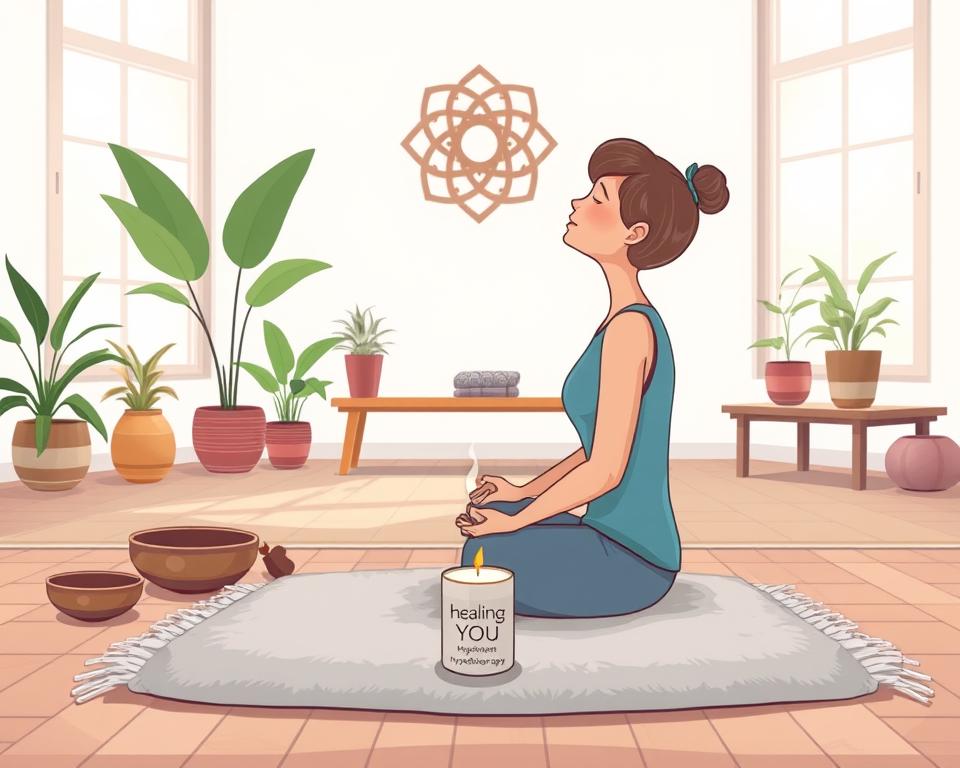
Next, gather your attention on the natural flow of your breath for one minute. Finally, expand your awareness to include your entire body and its sensations.
Your meditation practice can be both formal and informal. Guided sessions are wonderful for structure. You can also practice mindful awareness during daily routines.
- Focus on the sensation of water while showering.
- Pay attention to the taste and texture of your food.
- Notice the feeling of your feet on the ground while walking.
The body scan is another key technique. Lie down and slowly move your attention from your toes to the top of your head. Observe sensations with curiosity, not criticism.
Remember, even one minute of mindful breathing makes a difference. This practice helps you observe your thoughts without being ruled by them. With consistent effort, you build lasting resilience.
Integrating Mindfulness into Daily Life for Professional Women
I know how full your plate already feels, and the thought of adding one more thing might seem overwhelming. Let me show you how mindfulness can weave seamlessly into your existing routine rather than becoming another obligation.
True integration means finding moments of awareness in what you’re already doing. Your morning coffee, commute, or even that brief pause between meetings can become opportunities for practice.
Instead of multitasking and second-guessing yourself at work, try doing one thing at a time with full attention. This focused approach actually conserves energy and reduces the stress that can feed difficult emotions.
When you notice your mind drifting to your to-do list or past worries, gently bring it back to the present moment. Pay close attention to what’s actually happening around you right now.
Many individuals find that participating fully in conversations without self-conscious evaluation brings relief. Taking a non-judgmental stance toward your experiences is especially powerful for professional women who often hold themselves to impossible standards.
These small daily practices create a powerful foundation for well-being. The capacity to keep your mind focused on the present moment is associated with higher psychological health.
Together, we can identify the specific moments in your day where mindfulness integration will be most helpful for your unique circumstances.
Addressing Treatment-Resistant and Recurrent Depression with Mindfulness
If you’ve tried multiple approaches without lasting relief, I want you to know there’s real hope specifically designed for your situation. The frustration of treatment-resistant depression is something I understand deeply from working with many clients.
Research shows that MBCT was developed precisely for individuals with recurrent major depressive disorder. For patients who’ve experienced three or more previous episodes, this approach significantly reduces relapse risk.
A 2015 study revealed something remarkable. Patients with major depressive disorder who hadn’t responded to antidepressants showed significant improvement with MBCT. This approach works differently than traditional methods.
MBCT teaches skills that address underlying patterns making people vulnerable to relapse. It’s particularly effective for those with multiple episodes or childhood trauma.
Treatment-resistant depression doesn’t mean hopeless depression. It often means you need an approach that works differently. I combine mindfulness practices with hypnotherapy for even more powerful support.
My Personal Journey with Mindfulness and Depression Recovery
I remember sitting in my apartment, feeling completely disconnected from the successful life I’d built. On the outside, everything looked perfect. Inside, I was struggling with a deep sense of emptiness that no achievement could fill.
This personal experience with depression became my calling. It’s why I understand the quiet struggle of professional women who appear successful but feel overwhelmed inside. My journey led me to discover that healing requires more than just thinking positively.
During my training in New York, I discovered how mindfulness could transform my relationship with difficult emotions. This inspired me to combine it with hypnotherapy, creating a powerful approach to therapy that addresses both conscious and subconscious patterns.
I want to be honest—this practice isn’t always easy. Some days, sitting with my thoughts feels challenging. But consistent mindfulness has taught me that we can observe difficult feelings without being consumed by them. This understanding shapes how I support others facing depression.
My journey continues every day. I practice what I teach at Healing You Hypnotherapy because I believe in walking alongside my clients. If you’re ready to share your story, I invite you to join me for a Feel-Better-Fast Strategy Session. Your vulnerability will be honored here.
The Role of Guided Meditation and Body Scan Exercises
Many clients tell me they’ve tried meditation but couldn’t ‘clear their mind’ – and that’s exactly why guided approaches work so well. You don’t need to empty your thoughts to benefit from these practices.
Benefits of Guided Meditation
Guided meditation provides structure when concentration feels challenging. A gentle voice leads you through the process, making mindfulness meditation accessible even during difficult periods.
This approach reduces anxiety and stress by teaching you to observe thoughts without judgment. It’s like having a compassionate teacher redirecting your attention when your mind wanders.
Regular practice improves sleep and decreases repetitive thinking patterns. These benefits are especially helpful for managing symptoms of depression.
Improving Body Awareness
The body scan exercise involves lying comfortably and bringing awareness to each body part. You start at your toes and move upward, noticing sensations without trying to change them.
This practice helps you recognize where you hold tension and how emotional distress manifests physically. Many people with depression feel disconnected from their bodies.
Body scans rebuild this connection, helping you feel more grounded. They also help distinguish between physical sensations, emotions, and thoughts.
If you fall asleep during the exercise, that’s perfectly okay. Your body is telling you it needs rest. You can try again when you feel more alert.
Combining Hypnotherapy with Mindfulness Practices for Enhanced Healing
There’s a special magic that happens when conscious awareness meets subconscious transformation. While mindfulness is powerful alone, pairing it with hypnotherapy creates a remarkably effective approach for individuals facing emotional challenges.
Mindfulness cultivates present-moment awareness and non-reactivity. Meanwhile, hypnotherapy accesses the subconscious mind where many automatic patterns reside. This combination addresses challenges from multiple angles simultaneously.
Some people worry about hypnotherapy, but it’s not about losing control. It’s a deeply relaxed, focused state where your mind becomes more receptive to positive change. You remain fully aware and in charge throughout the process.
The relaxation skills you develop through mindfulness practice actually make you more responsive to hypnotherapy. This creates a beautiful synergy between the two treatments.
At Healing You Hypnotherapy, I use this combined approach to help clients access inner resources and release old patterns. Many find they experience meaningful shifts more quickly than with traditional therapy alone.
During your Feel-Better-Fast Strategy Session, you’ll gently experience how comfortable and natural this approach feels. It’s a safe way to discover how these powerful modalities can work together for your healing journey.
Schedule Your Free Feel-Better-Fast Strategy Session
You’ve already taken the courageous step of learning about your options—now let’s explore what’s possible for you personally. This comprehensive article has given you valuable insights. Let’s turn that knowledge into personalized support.
I invite you to join me for a complimentary Feel-Better-Fast Strategy Session. This is your chance to explore whether this approach to therapy fits your unique needs. There’s absolutely no pressure or commitment.
During our conversation, I’ll listen deeply to your specific challenges. We’ll discuss your goals and what you hope to achieve. I’ll share how combining awareness practices with hypnotherapy might help your situation.
You’ll also experience a gentle guided taste of hypnotherapy during our session. Many people leave feeling noticeably lighter and calmer. This gives you a real sense of what’s possible.
This Strategy Session is my way of ensuring you feel completely comfortable before any commitment. There’s no judgment—just compassionate support from someone who genuinely cares about helping you find relief from depression.
CLICK HERE to schedule your free session at https://healingyouhypnotherapy.com/web-strategy-session.
Prefer to talk first? Email me directly at Jennifer@HealingYouHypnotherapy.com or call (858) 289-6015. I’m happy to answer any questions about this therapy approach.
Take this step today while you’re feeling motivated. Reaching out is an act of self-compassion that could start your journey toward lasting peace. You deserve support that understands the complexity of depression.
Contact Jennifer for Personalized Support
Your journey toward healing deserves a truly personalized approach. At Healing You Hypnotherapy in San Diego, Jennifer Dettloff-Carter provides compassionate support specifically for professional women.
Every person’s experience is unique. Jennifer takes time to understand your specific situation, history, and goals before recommending any approach.
Whether you’re dealing with treatment-resistant challenges or struggling for the first time, Jennifer has experience helping people in all situations. Her background includes training in New York and extensive work with various emotional patterns.
Reaching out is simple and confidential. Here are the best ways to connect:
| Contact Method | Details | Best For |
|---|---|---|
| Jennifer@HealingYouHypnotherapy.com | Detailed questions and scheduling | |
| Phone | (858) 289-6015 | Immediate conversations |
| Service Area | San Diego and virtual sessions | Flexible accessibility |
Feel free to reach out with any questions, even if you’re unsure whether this approach is right for you. Jennifer offers no-pressure consultations to discuss all options.
Your first contact will be met with warmth and complete confidentiality. This is a safe space to share what you’re going through. Taking that first step can begin your journey toward healing and hope.
Conclusion
Throughout this article, we’ve explored a powerful path toward healing. This approach is backed by strong science and offers real hope for lasting change. It’s not about fighting your feelings, but learning a new way to relate to them.
You’ve seen how these practices can build resilience and create space from difficult thoughts. The goal is freedom, not perfection. Whether you’re seeking support for yourself or a loved one, this journey is about reclaiming your life.
Reading is a great first step. Lasting change comes from taking action. You deserve compassionate support that honors your strength.
If you’re curious about what’s possible, I’d love to hear from you. Schedule your free Feel-Better-Fast Strategy Session today. It’s the first step toward the peace and joy you deserve.
Email Jennifer@HealingYouHypnotherapy.com, call (858) 289-6015, or CLICK HERE to schedule.
FAQ
What is the main goal of a program like MBCT?
The primary aim is to help individuals break the cycle of recurrent unhappiness. It teaches you to recognize unhelpful thought patterns that can lead to a low mood. Instead of getting caught in them, you learn to relate to your thoughts and feelings with mindful awareness.
How is this approach different from traditional talk therapy?
While traditional cognitive therapy focuses on changing the content of negative thoughts, this method emphasizes changing your relationship to those thoughts. It’s less about analyzing and more about observing with kindness and without immediate judgment, which can reduce their power.
I have a very busy schedule. Can I still benefit from these practices?
Absolutely. A key component involves short, daily exercises that can often be integrated into your existing routine. Many people find that even a few minutes of mindful practice during a break can significantly improve their day and build emotional resilience over time.
Is there scientific evidence supporting its effectiveness for mental health?
Yes, numerous studies and systematic reviews have shown its efficacy. Research, including meta-analyses published in journals like Behaviour Research and Therapy, indicates it can significantly reduce symptoms and lower the risk of relapse for those with major depressive disorder.
What if I’ve tried other treatments for my condition without success?
This can be a powerful option for individuals experiencing treatment-resistant challenges. It offers a different pathway to healing by working with the mind’s habits directly. Combining these practices with other modalities, like hypnotherapy, can also create a unique and personalized healing plan.
Do I need to have any experience with meditation?
Not at all. The program is designed for beginners. Everything is introduced step-by-step in a supportive group setting. The practices are simple and guided, making them accessible to everyone, regardless of their previous experience with meditation or similar techniques.